Sauces & Condiments
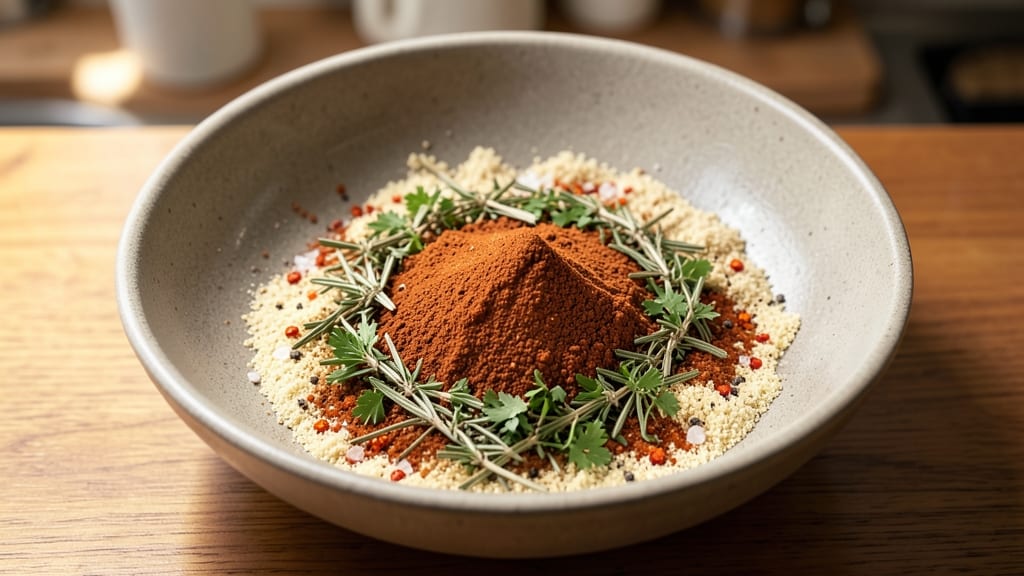
Unlock the secret to a crispy, golden fish fry with this bold Cajun-spiced marinade recipe—a flavor-packed blend that works magic in just 30 minutes. The secret lies in balancing heat, acidity, and herbs to create a crust that cracks under pressure, revealing tender, juicy fish beneath.
I developed this marinade after years of testing, ensuring it delivers restaurant-quality results without the fuss.
This marinade combines hot paprika, garlic powder, and cayenne for that signature Cajun kick, while lemon juice and olive oil tenderize the fish and create a sticky, flavorful crust. The addition of fresh herbs like thyme and parsley adds brightness, cutting through the heat and balancing the spices.
Ready in just 15 minutes, it’s perfect for prepping ahead—just store it in the fridge until you’re ready to cook.
What sets this marinade apart is its ability to transform even the simplest white fish into a crispy, golden delight. The acidity in the lemon juice breaks down proteins on the surface, while the spices create a caramelized crust when seared.
Whether you're frying, baking, or grilling, this marinade ensures every bite is packed with flavor and texture. The best part? It’s foolproof—no over-marinating or soggy results here.
Use this marinade for catfish, tilapia, or cod, and serve with classic fish fry sides like hush puppies or tartar sauce. The bold flavors pair perfectly with crispy fries or a fresh salad. Let’s get started on creating that perfect crispy gold crust!
Ingredients for fish fry marinade
Ten ingredients, fifteen minutes—this bold marinade transforms simple fish into crispy, golden perfection.
| Ingredient | Amount | Notes |
|---|---|---|
| Hot Smoked Paprika 🌶️ | 2 tbsp | For deep Cajun warmth and color |
| Garlic Powder 🧄 | 1 ½ tbsp | Freshly ground preferred |
| Cayenne Pepper 🔥 | 1 tsp | Adjust for heat preference |
| Dried Thyme 🌿 | 1 tsp | Or fresh thyme at 3x amount |
| Dried Parsley 🌿 | 1 tsp | Finely chopped for brightness |
| Onion Powder 🧅 | 1 tsp | Sweet or mild variety |
| Ground Black Pepper 🌶️ | ½ tsp | Freshly cracked for intensity |
| Diamond Crystal Kosher Salt 🧂 | 1 ½ tsp | Fine grain preferred |
| Fresh Lemon Juice 🍋 | ½ cup | From 2-3 lemons, freshly squeezed |
| Extra-Virgin Olive Oil 🫒 | ½ cup | Light fruity variety for balance |
The hot smoked paprika is non-negotiable—it delivers that signature Cajun depth and vibrant color. Penzeys or McCormick Gourmet brands have the best quality, but any smoked paprika will work. For extra heat, add a pinch of crushed red pepper flakes—just taste first! The lemon juice needs to be freshly squeezed; bottled won't cut it here. I always grab lemons from the local farmers market when they're in season—they're brighter and more acidic. The olive oil should be light and fruity; California Olive Ranch is my go-to for this marinade.
No garlic powder? Fresh garlic minced at 1.5x the amount works wonders—just don't overdo it. Short on thyme? Dried oregano at half the amount gives a similar earthy note. The cayenne is where you can play—start with half and build up to taste. For a milder version, swap the cayenne for white pepper—it's less aggressive but still adds depth. If you're using this for delicate fish like tilapia, reduce the cayenne to 0.5 tsp and add 0.5 tsp of ground mustard for extra cling. The parsley is all about freshness—if you must use dried, triple the amount.
This marinade keeps beautifully—up to 1 week in an airtight jar in the fridge. I like to make a double batch because it's perfect for batch cooking. For storage, I use a glass jar with a tight seal—plastic can absorb odors. When ready to use, give it a good shake and let it sit with the fish for 15-30 minutes max—any longer and you risk breaking down the fish too much. The marinade works on cod, tilapia, catfish, or even shrimp—just adjust the time based on thickness. Leftovers? Freeze in ice cube trays for single-use portions.
Why You'll Love This Recipe
- No Pantry Overhaul: I keep this marinade in a jar by my stove—just shake, coat, and fry. Honestly, the smoked paprika and cayenne do all the heavy lifting, so you’re not scrambling for exotic spices you’ll never use again.
- Crispy-Spicy Magic: That cayenne gives it a little kick, but the smoked paprika keeps it warm and smoky—not overpowering. The parsley and thyme? They make the crust sing when it hits the fryer, like a hug for your taste buds.
- Game for Any Gathering: Throw it on cod for a weeknight supper or use it for shrimp at a summer BBQ. I’ve even drizzled extra marinade over grilled salmon—works every time, no fuss.
- Leftovers That Don’t Suck: Marinate extra fish and stash it in the fridge for up to 3 days. The flavors deepen, and frying it later? Still crispy, still delicious, and zero waste. (Yes, even on a Tuesday night.)
Step-by-step instructions for bold Cajun-spiced crispy gold
This marinade transforms simple fish into a restaurant-worthy masterpiece with a golden, shatteringly crisp crust.
Whisk Dry Spices into a Cohesive Paste
In a medium bowl, combine the 2 tbsp hot smoked paprika, 1.5 tbsp garlic powder, 1 tsp cayenne pepper, 1 tsp dried thyme, 1 tsp dried parsley, 1 tsp onion powder, 0.5 tsp ground black pepper, and 1.5 tsp diamond crystal kosher salt. Use a fork or whisk to break up any clumps and distribute the spices evenly. The paprika will darken slightly as it mixes, creating that signature Cajun hue.
This step ensures maximum flavor adhesion to the fish. I press the spices through a fine-mesh sieve afterward to eliminate any lingering grit—trust me, nobody wants a mouthful of dried herb bits while enjoying that crispy crust. The mixture should resemble a fine, aromatic powder with no visible specks larger than a pinhead.
Emulsify with Lemon Juice and Olive Oil
Add the 0.5 cup fresh lemon juice and 0.5 cup extra-virgin olive oil to the spice mixture. Using a whisk or fork, vigorously combine until you achieve a thick, clingy paste—this takes about 2-3 minutes of consistent stirring. The acidity from the lemon will help break down the spices while the olive oil binds everything together for even application.
Here's the thing—this marinade needs to coat the fish completely, so the texture matters. If it looks too thin, let it sit for 5 minutes to thicken naturally. The paste should cling to the back of your spoon like honey when you lift it. This ensures maximum flavor transfer and that coveted crispy crust rather than a dry, flaky exterior.
Marinate Fish for Optimal Flavor and Texture
Pat your fish fillets completely dry with paper towels—moisture is the enemy of crispiness. Spread the marinade evenly over both sides, pressing gently to help it adhere. Place the fillets in a shallow dish and turn them once to ensure full coverage. Let them marinate in the refrigerator for at least 30 minutes, but I recommend 1-2 hours for maximum flavor penetration.
Don't skip this step—marinating isn't just about flavor. The acid in the lemon juice begins to tenderize the fish slightly while the spices create a flavorful crust that transforms into that golden, crispy shield during cooking. If you're short on time, even 15 minutes will help, but the longer it sits, the more intense the flavor and texture become.
Apply a Final Coat Before Cooking (The Secret to Crispy Perfection)
Remove the fish from the refrigerator and let it sit at room temperature for 10-15 minutes before cooking. This prevents the fish from cooking unevenly. Using a pastry brush, apply a thin, even layer of the marinade over the fish one final time. This step is crucial—it creates that extra layer of flavor and ensures the crust forms properly during cooking.
Here's where it gets exciting: watch the marinade glisten as you brush it on. That sheen indicates proper oil distribution, which is essential for that crispy crust. If you notice any dry spots, simply dip your finger in the remaining marinade and spread it over those areas. The fish is now ready to be transformed into golden, crispy perfection.
Pro Tips For Making Fish Fry Marinade
- Bloom the Spices First: Toss your dried thyme and parsley into a dry pan over medium heat for 30 seconds—just until you smell that earthy aroma. I learned this the hard way: skipping this step means your marinade tastes like dusted herbs, not vibrant ones. (Yes, even if you’re impatient like me.)
- Balance the Cayenne Early: Start with half the cayenne you think you need, then taste the mix before adding more. Smoked paprika and garlic powder mask heat fast, and you’ll regret it later. I was skeptical until I tried it—now I always keep a pinch of sugar on hand to mellow it out if needed.
- Marinate for 20 Minutes Only: Fish absorbs flavors fast, but anything longer than 20 minutes turns the marinade into a soggy mess. Pat the fish dry afterward—this isn’t a long cure, it’s a quick flavor boost. (Your future self will thank you for not overdoing it.)
- Use Fresh Garlic Powder: That jar of garlic powder sitting in your pantry for a year? Toss it. Old garlic powder tastes bitter and flat, and it ruins the depth of your marinade. Buy small batches or grind fresh garlic, then dry it yourself—it makes a real difference. (I know, I know, but trust the process.)
Troubleshooting perfect results
Uneven Crust Issues
If your fish develops patchy crusts instead of an even golden layer, the marinade likely didn't adhere properly. First, ensure your fish fillets are completely dry—pat them with paper towels until no moisture remains. The lemon juice in the marinade needs a dry surface to cling to.
I also recommend using a pastry brush for the final coat before cooking, as it helps distribute the marinade more evenly than your fingers. 🌟
Excessive Moisture
Soggy fish after frying? This usually means the marinade was too wet or the fish wasn't dry enough. The ideal marinade should have a thick, paste-like consistency—like honey. If it's too runny, let it sit for 5-10 minutes to thicken naturally.
For extra insurance, place your marinated fish on a wire rack in the fridge to allow air circulation, preventing moisture buildup. This is especially helpful for thicker cuts like catfish.
Fish Breaks Apart
Over-marinating can make fish mushy, especially delicate varieties like tilapia. The acid in lemon juice breaks down proteins, so never marinate for more than 2 hours. For thicker fillets, reduce time to 30-45 minutes.
If you're using this marinade for baking instead of frying, cut marinating time to 15-20 minutes—the acid works faster at higher temperatures. Always pat fish dry again before cooking to remove any excess marinade that might pool and steam the fish.
Lack of Crispiness
The golden crust you're after requires proper oil distribution. If your fish turns out flat or greasy instead of crispy, the issue is usually insufficient heat or too much moisture.
Fry in 350-375°F oil (use a deep-fry thermometer like Thermoworks for accuracy) and ensure your fish is completely dry before cooking. For extra crispiness, I recommend a double-dip technique: dip marinated fish in flour or cornmeal before frying.
This creates a textural contrast that takes crispiness to the next level.
Spices Fall Off
If your spices aren't sticking to the fish, the marinade might be too thin or the fish wasn't properly coated. To fix this, whisk the marinade until it reaches a thick, clingy consistency—it should hold its shape when drizzled.
For stubborn areas, use a pastry brush to apply an extra layer. Another trick? Let the marinated fish sit uncovered in the fridge for 10-15 minutes before cooking. This allows any excess moisture to evaporate, helping the spices adhere better during frying. 🔥
Mild Flavor Profile
If your fish tastes bland despite using the marinade, the issue is likely inadequate heat during cooking or under-seasoning. For frying, maintain oil temperature between 350-375°F—this ensures the spices caramelize and develop their full flavor. If you're baking, increase oven temp to 425°F for a deeper flavor.
For extra punch, add ½ tsp smoked paprika to the marinade right before applying it to the fish. This boosts the Cajun profile without altering the original recipe's balance.
Nutrition facts
Frequently asked questions
Can I use this marinade for grilling instead of frying?
This bold Cajun marinade works beautifully for grilled fish too. Simply brush it on just before grilling over medium-high heat for 3-4 minutes per side. The spices will caramelize beautifully on the grill, creating that same crispy texture. For extra flavor, add a sprinkle of coarse salt right before serving.
How long can I store leftover marinade?
Store any unused marinade in an airtight container in the fridge for up to 1 week. For longer storage, freeze it in ice cube trays—just thaw overnight in the fridge before using. The lemon juice may cause slight color changes over time, but the flavor remains strong. Always give it a stir before reusing.
What fish works best with this marinade?
This marinade excels with firm white fish like cod, tilapia, or catfish. For delicate fish like sole, reduce marinating time to 15-20 minutes to prevent over-tenderizing. Thicker cuts like mahi-mahi can handle the full 1-2 hour marinade time. The acidity works best on leaner fish—avoid fatty varieties like salmon.
Can I adjust the heat level in this marinade?
Yes! For milder heat, reduce the cayenne to ½ tsp and add ½ tsp ground mustard for tang. For extra kick, increase cayenne to 1.5 tsp and add ½ tsp crushed red pepper flakes. Always taste before applying—this marinade is highly customizable. Remember, spices intensify during cooking, so start conservative.
Why does my fish turn out greasy instead of crispy?
Greasy results usually mean the oil wasn't hot enough or the fish wasn't dry. Maintain oil at 350-375°F using a thermometer, and pat fish completely dry before frying. For extra crispiness, try the double-dip technique: dip marinated fish in cornmeal or flour before frying. This creates a barrier that prevents excess oil absorption.