
Sauces & Condiments
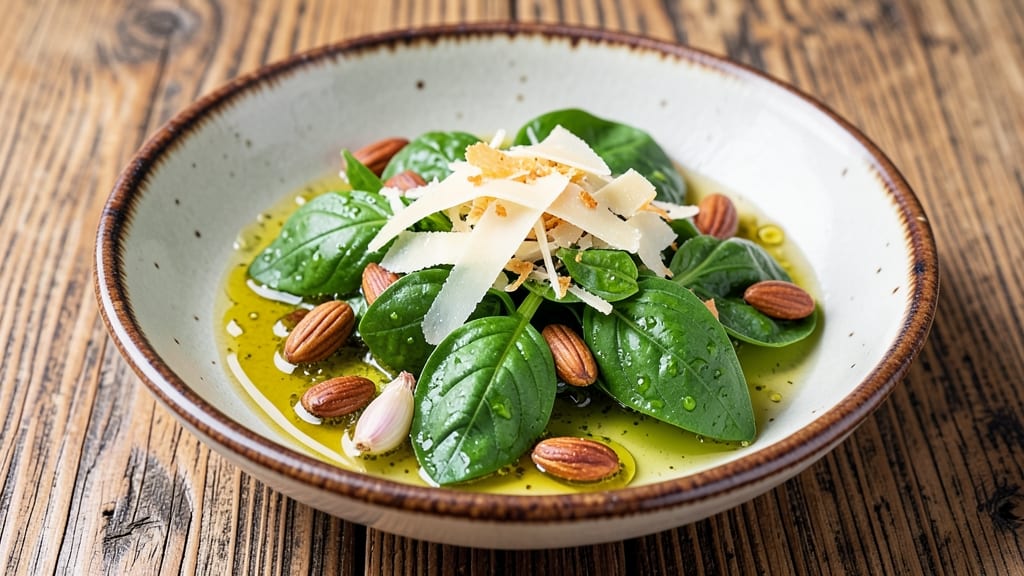
Giada De Laurentiis' pesto sauce recipe transforms fresh basil into a vibrant, aromatic sauce that elevates any dish in just minutes. The secret lies in balancing bright basil with toasted nuts, garlic, and aged Parmesan—creating a sauce that's rich yet light, perfect for everything from pasta to grilled chicken.
I've perfected this version to stay true to Italian tradition while making it approachable for home cooks.
What sets this recipe apart is the texture: silky-smooth with just the right thickness to cling beautifully. The key is using high-quality ingredients—fresh basil, toasted pine nuts, and a generous amount of extra-virgin olive oil—while keeping the method simple.
Unlike many pesto recipes, this one avoids overpowering the basil's natural flavor with too much cheese or nuts.
With just 10 minutes of prep and no special equipment needed, you'll have a pesto that's restaurant-quality yet effortless to make. The sauce keeps well in the refrigerator for up to a week or can be frozen for longer storage, making it perfect for meal prep.
Whether you're tossing it with linguine or spreading it on sandwiches, this pesto delivers bold, fresh flavor every time.
For extra versatility, try adding roasted red peppers or sun-dried tomatoes for a modern twist, or swap the Parmesan for nutritional yeast for a vegan option. The possibilities are endless while staying true to the classic foundation. Let's get started with this timeless recipe!
Ingredients for giada pesto sauce
Fresh basil, toasted nuts, and aged Parmesan create Giada's signature vibrant pesto in minutes.
| Ingredient | Amount | Notes |
|---|---|---|
| Fresh Basil Leaves 🌿 | 3 cups | Packed, stems removed, vibrant green |
| Extra-Virgin Olive Oil 🫒 | 1 cup | High-quality, fruity, cold-pressed |
| Toasted Pine Nuts 🥜 | ½ cup | Lightly browned, no burnt bits |
| Parmesan Cheese 🧀 | ¾ cup | Freshly grated, aged 24+ months |
| Garlic Cloves 🧄 | 3 cloves | Peeled, roughly chopped |
| Lemon Juice 🍋 | 1 tbsp | Freshly squeezed, no seeds |
| Sea Salt 🧂 | ½ tsp | Fine grain, kosher preferred |
| Freshly Ground Black Pepper 🌶️ | ¼ tsp | Freshly cracked, not pre-ground |
The basil is non-negotiable—farmers market bunches have the most vibrant flavor, but grocery store containers work in a pinch. Trader Joe's and Whole Foods carry the freshest in my experience. Toast your pine nuts in a dry pan over medium heat until fragrant, about 3-4 minutes—burnt nuts ruin the sauce. For the Parmesan, grate it yourself from a wedge; pre-grated contains anti-caking agents that make the texture gritty. Garlic should be freshly peeled and roughly chopped—no pre-minced jars, which can turn bitter.
Short on pine nuts? Walnuts or cashews work beautifully, though they add a different texture. No Parmesan? Pecorino Romano or nutritional yeast both work—just adjust to taste. The olive oil matters here: avoid cheap brands that taste like soap. For extra depth, add a pinch of red pepper flakes or a tablespoon of sun-dried tomatoes. Lemon juice can be swapped for white wine vinegar, but the freshness makes all the difference. The sauce should be thick but pourable—add a splash of water or olive oil if needed.
Pesto browns quickly when exposed to air, so cover tightly with plastic wrap pressed directly on the surface before refrigerating. Keeps for 5-7 days in the fridge, 3 months frozen in ice cube trays for single servings. For restaurant-quality results, toast the nuts and let the sauce sit 10 minutes before using—this lets the flavors meld. Store any leftovers in a glass jar to preserve freshness.
Why You'll Love This Recipe
- Here’s what sold me: I can make a big batch on Sunday, store it in the fridge, and it still tastes fresh for days. No sad, wilted basil here—the olive oil keeps it vibrant, and the Parmesan just gets more intense the longer it sits. (Yes, even on a Tuesday night.)
- Five-Ingredient Magic: I swear by this combo—just basil, olive oil, nuts, cheese, and garlic. That’s it. No fancy gadgets, no stress, just a pulse of the mortar and pestle (or food processor if you’re in a hurry) and you’ve got something restaurant-worthy.
- Nutty-Garlicky Bliss: Between us, the toasted pine nuts add this crunchy richness that makes every bite feel like a little celebration. And that raw garlic? It’s bold but balanced, cutting through the creaminess of the Parmesan like a knife through butter.
- Pasta’s Best Friend: Honestly, this sauce is my weeknight lifesaver—toss it with spaghetti, drizzle over grilled chicken, or even slather it on a sandwich. It’s the kind of thing that turns a simple meal into something people will actually ask for seconds of.
Step-by-step instructions for Giada De Laurentiis' pesto sauce
Here's how to craft the perfect pesto with vibrant basil and rich Parmesan.
Toast the Pine Nuts for Depth of Flavor
Heat a dry skillet over medium heat and add the 0.5 cup toasted pine nuts. Toast for 3-4 minutes until they're fragrant and just beginning to turn golden. Watch them closely—they burn quickly and lose their delicate nutty flavor. Remove from heat immediately once they're aromatic and set aside to cool slightly.
This step is crucial for developing the nutty foundation of your pesto. Toasting enhances their flavor and prevents them from becoming mushy when blended. If you're using pre-toasted pine nuts, skip this step but ensure they're still warm when you add them to the basil.
Blend the Basil, Garlic, and Cheese
In a food processor, combine the 3 cups fresh basil leaves, 3 cloves garlic cloves, and 0.75 cup Parmesan cheese. Pulse 3-4 times until the basil is finely chopped but not completely puréed—you want to preserve some texture. This creates the perfect balance of freshness and creaminess in the final sauce.
Don't skip this initial chopping step. It prevents the food processor from overheating when you add the olive oil later. The basil should be broken down enough to release its oils but still maintain some leafy texture for visual appeal and mouthfeel.
Gradually Add Olive Oil for Emulsion
With the food processor running, slowly drizzle in the 1 cup extra-virgin olive oil through the feed tube. This gradual addition creates a smooth, emulsified sauce rather than a thick paste. Process for 1-2 minutes until the mixture becomes vibrant green and completely smooth.
Here's the thing—adding the oil too quickly can cause the processor to seize up. The gradual approach ensures you capture all those beautiful green basil oils without overworking the motor. You'll notice the mixture transform from chunky to silky as the oil incorporates fully.
Finish with Seasonings and Adjust Consistency
Add the 1 tablespoon lemon juice, 0.5 teaspoon sea salt, and 0.25 teaspoon freshly ground black pepper. Pulse 2-3 times to combine. Taste and adjust seasoning if needed—you might want to add a pinch more salt or a splash more lemon juice to brighten the flavors.
For a thinner consistency suitable for pasta, add 1-2 tablespoons of pasta water. For a thicker sauce ideal for dipping or spreading, let it sit at room temperature for 10 minutes—the sauce will naturally thicken as it cools. The lemon juice adds brightness that cuts through the richness of the olive oil and cheese.
Serve Immediately or Store Properly
Transfer the pesto to a serving bowl. For immediate serving, drizzle with an additional tablespoon of extra-virgin olive oil and toss with freshly cooked pasta. If storing, press plastic wrap directly onto the surface to prevent oxidation and refrigerate for up to 5 days.
This sauce is best enjoyed fresh, but if you need to store it, the key is minimizing air exposure. The vibrant green color will fade slightly over time, but the flavor remains excellent. For freezing, portion into ice cube trays and freeze—thaw quickly under cold water before using to maintain texture.
Pro Tips For Making Giada Pesto Sauce
- Pulse, Don’t Grind: I learned this the hard way—blitzing basil whole in a food processor turns it to mush. Instead, stack the leaves, roll them tightly, and pulse in short bursts (3-4 seconds at a time) until you get a chunky texture. You want to see flecks of green, not a smooth paste.
- Toast Pine Nuts Low: Watch the heat—pine nuts burn faster than you think. Spread them in a single layer on a dry pan over low heat, stirring constantly. They’re done when golden, not brown. (Yes, even if you’re impatient like me.)
- Use Cold Parmesan: Take the Parmesan straight from the fridge—it grates cleaner and sharper. Skip the pre-shredded stuff; it’s full of anti-caking agents that make the pesto taste off. A fine microplane works best for this.
- Add Oil Gradually: Don’t dump all the olive oil at once. Start with 2 tablespoons, pulse, then add more as needed. This keeps the texture balanced and prevents the pesto from turning into a slick, heavy sauce. (Your future self will thank you.)
Troubleshooting this dish
Basil Overwhelming the Sauce
If your pesto tastes like pure basil with no depth, you likely used too many leaves. The classic ratio is 3 cups basil to 1 cup olive oil, but if your basil is particularly potent (like from a garden), reduce to 2 cups.
I've found Trader Joe's organic basil is more concentrated—adjust accordingly. Toasting the nuts and letting the sauce sit 10 minutes before tasting helps balance flavors. 🌿
Gritty Texture Issues
Gritty pesto usually means pre-grated Parmesan or insufficient blending. Always grate your own cheese from a wedge—pre-grated contains anti-caking agents that add texture. Pulse the food processor 5-6 times before adding oil to fully break down the basil and nuts.
For extra smoothness, strain through a fine-mesh sieve after blending. I keep a NutriBullet on hand for quick blending when my food processor is busy.
Oil Separation Problems
Oil separation happens when the emulsion breaks, usually from adding oil too quickly or using low-quality oil. Always add olive oil gradually through the feed tube while processing. Use extra-virgin olive oil—cheaper brands lack the emulsifying properties.
If separation occurs, whisk vigorously or blend again with 1 teaspoon lemon juice to re-emulsify. A splash of cold water can also help bind the mixture.
Nuts Tasting Burnt
Burnt nuts completely ruin your pesto's delicate flavor profile. Toast pine nuts over medium heat for only 3-4 minutes, stirring constantly. Remove them immediately when they're fragrant—you should smell their aroma, not see smoke.
I use a timer to avoid burning. If they do burn, discard them completely and start over with fresh nuts. No substitute can save burnt nuts in pesto.
Pesto Turning Brown Too Quickly
Exposure to air causes pesto to oxidize and turn brown within minutes. Press plastic wrap directly onto the surface before refrigerating to create an airtight seal. Store in a glass jar rather than plastic, as glass preserves freshness better.
For longer storage, freeze in ice cube trays—each cube makes a perfect single serving. The color change doesn't affect flavor, but it's a visual cue your pesto is ready to use.
Sauce Too Thick or Too Thin
Consistency issues stem from ingredient ratios or storage. For thicker pesto, let it sit at room temperature for 10 minutes—it naturally thickens as it cools. For thinner sauce, add 1-2 tablespoons pasta water or olive oil.
If stored pesto thickens, whisk in 1 teaspoon water or lemon juice to restore pourability. I keep a small bowl of pasta water handy when making pesto to adjust consistency immediately.
Nutrition facts
Frequently asked questions
Can I make this pesto without a food processor?
Use a mortar and pestle instead—start by crushing the garlic and pine nuts, then add the basil leaves and work them into a paste. Gradually drizzle in the olive oil while mixing. This method takes 5-10 minutes more effort but creates a beautifully textured sauce with visible basil flecks.
What's the best way to use leftover pesto?
Leftover pesto is incredibly versatile! Toss it with grilled chicken or fish, spread it on toasted baguette slices, or mix it into risotto or soups for extra depth. For a quick meal, stir 2-3 tablespoons into scrambled eggs or omelets. It also makes a fantastic marinade for shrimp or steak—just thin it with a little olive oil.
Why does my pesto taste bitter?
Bitterness usually comes from overblending the basil or using old garlic. Stop blending once the basil is finely chopped but still slightly leafy. For freshness, use garlic within 2 weeks of harvest and basil with vibrant green leaves. If the bitterness persists, add a splash of lemon juice or a pinch of sugar to balance the flavors.
Can I make this pesto vegan?
Yes! Swap the Parmesan for 1 cup nutritional yeast and use vegan olive oil (or any high-quality plant-based oil). For extra richness, add 1 tablespoon vegan butter or avocado oil. The texture will be slightly different but still delicious. This version works perfectly with vegan pasta or roasted vegetables.
How do I know when the pine nuts are toasted perfectly?
Perfectly toasted pine nuts should be golden brown and smell intensely nutty—like warm toast with a hint of caramel. They take just 3-4 minutes over medium heat. If they darken too quickly, remove them immediately—they burn fast and become bitter. A quick test: press a nut between your fingers—it should feel soft but not mushy.