
Side Dishes
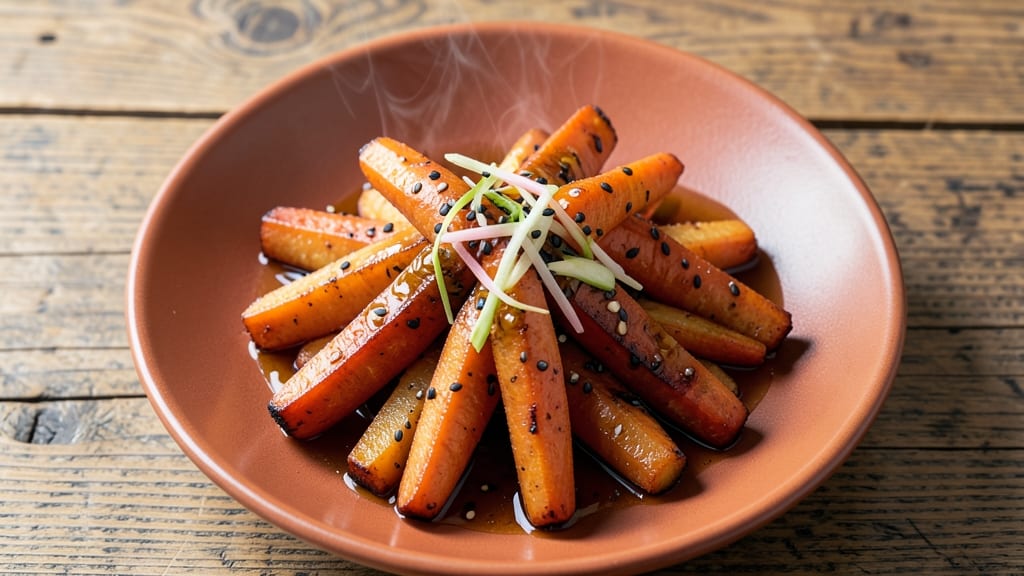
Japanese sweet carrots transform humble vegetables into a dish that balances honey-glazed sweetness with umami depth—a perfect side that elevates any meal. Standing on a step stool in my grandmother’s kitchen in Sicily, I first learned how caramelization and bold flavors could turn simple ingredients into something extraordinary.
This recipe captures that same magic, using a technique I’ve refined over years of cooking.
The secret lies in the sauce—a perfect harmony of honey, soy sauce, and a touch of ginger—that coats each carrot in a sticky, aromatic glaze. Unlike many sweet carrot recipes, this one delivers crispy edges and tender centers, with a sauce that’s both rich and balanced.
Ready in just 30 minutes, it’s simple enough for weeknight dinners but impressive enough for special occasions.
By the time you’re done, you’ll have carrots that are glossy, caramelized, and packed with layers of flavor—sweet from the honey, savory from the soy, and a subtle warmth from the ginger.
The aroma alone will have everyone asking what’s for dinner. Serve alongside grilled meats, rice, or even as a dessert with vanilla ice cream for a twist on tradition.
This recipe is foolproof and adaptable—swap the honey for maple syrup or add a splash of sake for extra depth. The key is patience: letting the carrots roast slowly ensures they caramelize perfectly without burning. Once you try this method, you’ll never buy store-bought sweet carrots again.
Ingredients for japanese sweet carrots
Sweet carrots, honey, and soy sauce transform simple vegetables into an aromatic, caramelized masterpiece.
| Ingredient | Amount | Notes |
|---|---|---|
| Japanese Sweet Carrots 🥕 | 1 ½ lb | Baby carrots or uniform size preferred |
| Extra-Virgin Olive Oil 🫒 | 2 tbsp | High quality for caramelization |
| Honey 🍯 | ½ cup | Raw or clover preferred |
| Light Soy Sauce 🍶 | 3 tbsp | Kikkoman recommended |
| Fresh Ginger 🌿 | 1 tbsp | Grated, not powdered |
| Sesame Oil 🫒 | 1 tsp | Toasted sesame for aroma |
| Toasted Sesame Seeds 🌱 | 1 tbsp | For garnish |
| Diamond Crystal Kosher Salt 🧂 | ½ tsp | Fine grain preferred |
| Freshly Ground Black Pepper 🌶️ | ¼ tsp | Cracked peppercorns |
| Garlic Cloves 🧄 | 2 cloves | Minced for sauce |
| Rice Vinegar 🍶 | 1 tbsp | For balance |
| Unsalted Butter 🧈 | 1 tbsp | Cold for finishing |
The carrots are everything here—Japanese sweet carrots (the small, tender kind) are ideal, but regular baby carrots work too. Whole Foods or Asian markets carry the best quality, but any grocery store’s pre-washed carrots will do in a pinch. Look for vibrant orange color and firm texture—no limp or bruised ones. The honey should be raw or clover for that floral depth, but maple syrup works if you’re out. I always grab Kikkoman soy sauce when I can, but any light soy will give you that umami punch. Fresh ginger is non-negotiable here—the powdered stuff just doesn’t cut it.
No sesame oil? Toasted peanut oil adds a similar richness, though with a different flavor profile. Short on honey? Brown sugar syrup (equal parts sugar and water) mimics the stickiness. The rice vinegar might seem optional, but trust me—it brightens the whole dish. If you’re feeling fancy, swap the butter for ghee at the end for extra richness. For the garlic, I usually buy fresh from the farmers market—it’s worth the extra few minutes to mince it fresh rather than using pre-minced. And if you’re making a big batch, double the sesame seeds—they’re worth every crunch.
These carrots reheat beautifully—just toss them in a dry pan for a minute to revive the crisp. Store leftovers in an airtight container for up to 5 days in the fridge. For longer storage, freeze them in a single layer before transferring to a bag—3 months max. I always make extra because they disappear fast. The sauce thickens as it cools, so if it’s too sticky when reheating, just add a splash of water and warm through. Perfect with grilled chicken or as a dessert with vanilla ice cream—don’t knock it till you try it.
Why You'll Love This Recipe
- Five-Ingredient Magic: I swear, this recipe is the culinary equivalent of a hug—just five things to gather. The carrots barely need peeling (their skin’s edible, honestly), and the ginger? A quick grating while you wait for the oil to heat. No chopping, no fuss—just slice, sear, and glaze.
- Umami-Sweet Balance: That honey-soy glaze? It’s where things get good. The ginger adds a zingy warmth, the olive oil keeps it silky, and the soy sauce brings this caramelized sweetness to a whole new level. Crispy edges, sticky glaze—it’s the kind of dish that makes you pause mid-bite.
- Weeknight & Potluck Star: Between us, this is my go-to for lazy dinners and holiday platters. Serve it warm as a side, cold in grain bowls, or even as a snack with crackers. (Yes, even on a Tuesday night.) The flavors hold up everywhere, and it’s the one dish that actually improves the next day.
- Budget-Friendly Leftovers: A single batch feeds four, and the leftovers? Even better. The carrots soften just enough to soak up flavors like a sponge—perfect for tossing into salads, stir-fries, or even breakfast hash. Plus, sweet carrots stay fresh for days, so you’re not scrambling to use them up.
Step-by-step instructions for honey-glazed Japanese sweet carrots
Here's how to transform these delicate carrots into a perfect balance of caramelized sweetness and savory depth.
Prepare the Carrots and Aromatics
Peel the Japanese sweet carrots if desired, then cut them into 2-inch long batons, ensuring uniform size for even cooking. In a small bowl, combine the minced garlic cloves, grated fresh ginger, 0.5 teaspoon diamond crystal kosher salt, and 0.25 teaspoon freshly ground black pepper. This aromatic blend will infuse the carrots with complex layers of flavor during the cooking process.
I like to use a microplane for the ginger to get fine, even shreds that dissolve into the glaze. For the garlic, I prefer a knife over a press to control the texture—just a few tiny minced pieces will add enough punch without overpowering. Keep these aromatics separate until we're ready to incorporate them into the cooking process.
Create the Glazing Sauce
In a medium saucepan, combine the 0.5 cup honey, 3 tablespoons light soy sauce, 1 tablespoon rice vinegar, and 1 teaspoon sesame oil. Place the saucepan over medium heat and bring to a gentle simmer. Let it cook for 3-4 minutes until the mixture reduces slightly and begins to thicken—you'll notice a subtle change in consistency as the liquid evaporates.
This reduction step is crucial for developing the sauce's depth of flavor. The honey will mellow slightly while the soy sauce concentrates, creating a perfect balance of sweet and umami. Stir occasionally to prevent any sticking, but don't overwork the mixture—just enough to combine evenly. Here's where the magic happens: the aromatics we prepped earlier will transform this simple sauce into something extraordinary.
Cook the Carrots to Tender-Crisp Perfection
Heat a large skillet over medium-high heat and add the 2 tablespoons extra-virgin olive oil. Once the oil shimmers, add the carrot batons in a single layer, allowing them room to develop a golden crust. Cook for 4-5 minutes, stirring occasionally, until the carrots begin to soften slightly but still maintain a satisfying crunch.
Don't crowd the pan—this is where you'll get that beautiful caramelization. If your carrots are particularly uniform, you might achieve this in 3 minutes. The key is to see the edges start to turn golden brown while the centers remain slightly firm to the touch. This texture contrast is what makes this dish so special. Real talk: if they start to stick, add a splash of water and scrape up those flavorful browned bits—they're pure umami gold.
Finish with the Glaze and Butter
Pour the reduced honey-soy glaze over the cooked carrots, immediately tossing to coat them evenly. Add the prepared aromatic blend and continue cooking for another 2-3 minutes until the carrots are fully glazed and the liquid has mostly absorbed. The carrots should be tender but still hold their shape—think al dente pasta.
Remove the skillet from heat and stir in the 1 tablespoon cold unsalted butter and 1 tablespoon toasted sesame seeds. The butter will melt instantly, creating a luxurious finish that rounds out the flavors. The sesame seeds add both texture and aroma—here's where it gets fun. Give everything one final toss to distribute those seeds evenly. Your carrots should now have a beautiful glossy sheen from the glaze, with pockets of caramelized sweetness and savory depth.
Rest and Serve Immediately
Transfer the glazed carrots to a serving platter and let them rest for 2-3 minutes. This brief resting period allows the flavors to meld completely and the glaze to set slightly, preventing a saucy mess when serving. The carrots should be warm but not piping hot—just right for immediate enjoyment.
Garnish with an additional sprinkle of toasted sesame seeds if desired, and serve while still warm. These carrots make an elegant side dish for grilled proteins or work beautifully as a main course when paired with steamed rice. The balance of sweet, salty, and umami flavors will have everyone reaching for seconds. I promise, this is the kind of dish that transforms simple vegetables into something truly special—your guests will think you've been cooking Japanese cuisine for years.
Pro Tips For Making Japanese Sweet Carrots
- CUT THEM EVENLY: Japanese sweet carrots caramelize best when they’re uniform—split them lengthwise into ¼-inch sticks, not random chunks. I used to eyeball it, but consistent size means even cooking and that perfect glossy finish.
- SALT THE CARROTS FIRST: Toss the raw carrots with a pinch of salt before hitting the pan. This draws out moisture so they brown faster and stick less—no more scrubbing your pan after.
- LOW AND SLOW FOR GINGER: If you’re adding fresh ginger, add it after the carrots have softened but before the glaze. A quick 30-second toss on medium-low lets it infuse without burning—overcooking turns it bitter, and nobody wants that.
- GLACE WITH HONEY LAST: Wait until the carrots are tender but still bright before drizzling honey and soy. Too early, and the sauce burns; too late, and they turn mushy. Aim for 8-10 minutes total—watch closely after the honey goes in.
Regional styles of japanese sweet carrots
Kansai-Style Sweet Carrots
In Osaka and Kyoto, you’ll find sweet carrots glazed with a lighter touch—less honey, more mirin and sake. The Kansai region prefers a delicate balance where the carrots remain slightly crisp with a glossy, thin glaze.
I’ve made this version countless times at local izakayas, where they serve it alongside grilled sardines or as a palate cleanser between rich dishes. Use 2 tablespoons mirin and 1 tablespoon dry sake instead of rice vinegar, and reduce the honey to ¼ cup.
The result is a more refined, almost translucent glaze that highlights the carrot’s natural sweetness. 🍶
Okinawan Honey-Ginger
Okinawa’s tropical climate lends itself to bold, aromatic flavors in their sweet carrots. Here, the ginger takes center stage—double the amount to 2 tablespoons grated fresh ginger—and add 1 teaspoon shichimi togarashi (seven-spice chili flakes) for a subtle kick.
The honey stays at ½ cup, but replace the soy sauce with 3 tablespoons coconut aminos for a lighter, slightly floral profile. This version is perfect with grilled mahi-mahi or as a dessert with coconut ice cream.
The heat from the chili flakes balances the sweetness beautifully, making it a standout dish. 🌶️
Tokyo’s Modern Twist
Tokyo’s culinary scene thrives on innovation, and their take on sweet carrots often includes unexpected ingredients. Try adding 1 tablespoon miso paste (white or red) to the glaze for depth, along with ½ teaspoon grated yuzu peel for brightness.
The miso adds a savory umami that pairs surprisingly well with the honey’s sweetness. For texture, toss the finished carrots with 1 teaspoon crushed pistachios—a nod to the city’s love of fusion flavors.
This version is elegant enough for a dinner party but still approachable for weeknight meals. The yuzu peel gives it a citrusy lift that cuts through richer dishes. ✨
Hokkaido’s Winter Comfort
In Hokkaido’s cold winters, sweet carrots are a staple for their warming, comforting qualities. Here, the glaze includes 1 tablespoon apple cider vinegar and a pinch of ground cinnamon for a cozy, almost dessert-like flavor.
The carrots are often served with a sprinkle of toasted black sesame seeds and a drizzle of reduced apple juice for extra moisture. This version is heartier and works perfectly as a side for miso-glazed black cod or as a standalone dish with steamed rice.
The cinnamon adds warmth that’s perfect for chilly evenings. ❄️
Kyushu’s Spicy-Sweet Fusion
Kyushu’s bold flavors shine in their sweet carrots, where heat and sweetness collide. Add 1 tablespoon gochujang (Korean chili paste) to the glaze and top with 1 teaspoon toasted sesame seeds and ½ teaspoon crushed red pepper flakes.
The gochujang deepens the umami while adding a smoky heat that balances the honey’s sweetness. For extra richness, finish with a dollop of whipped cream cheese—a fusion twist that’s become popular in Fukuoka’s food scene.
This version is fiery and addictive, perfect for those who love their sweet dishes with a kick. 🔥
Nutrition facts
Frequently asked questions
What makes Japanese sweet carrots different from regular carrots?
Japanese sweet carrots (like danver or kuroda varieties) are smaller, sweeter, and more tender than standard carrots. Their thin skins stay crisp when cooked, and they absorb glazes beautifully without becoming mushy. The secret is their high sugar content and uniform size—perfect for caramelization.
Can I substitute honey with another sweetener?
Yes! For a 1:1 swap, use maple syrup or agave nectar. For a lighter option, try brown sugar syrup (equal parts sugar + water). If you prefer less sweetness, reduce to ¼ cup honey and add 1 tbsp mirin for brightness. The sauce will still caramelize, but flavors will shift slightly.
Why did my carrots turn mushy instead of caramelized?
Overcooking or crowding the pan causes mushiness. For perfect texture:
- Cut carrots uniformly (2-inch batons),
- Cook in a single layer on medium-high heat for 4-5 minutes max, and
- Toss immediately when glazing. If they stick, add a splash of water to deglaze—those browned bits add flavor!
Are these carrots spicy or sweet?
The base recipe is sweet-savory with honey and soy, but you can adjust heat! For mild: stick to ginger. For spicy: add ½ tsp gochugaru (Korean chili flakes) to the glaze or top with crushed red pepper. The Okinawan version even includes shichimi togarashi for a balanced kick.
How long can I store or reheat these carrots?
Store in an airtight container for 5 days in the fridge. To reheat: Warm in a dry skillet over medium heat for 2-3 minutes, tossing to revive crispness. For extra moisture, add 1 tsp water and cover for 30 seconds. Avoid microwaving—it turns the glaze rubbery.