
Side Dishes
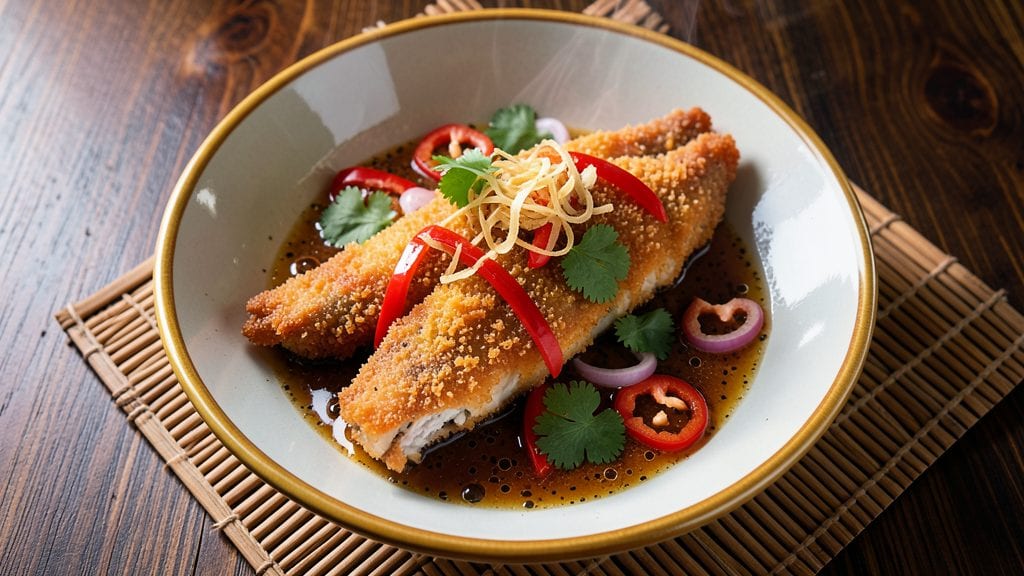
This Filipino sweet and sour fish fillet delivers the perfect balance of crispy batter and tangy-sweet glaze that makes every bite unforgettable. The secret lies in a light, airy batter that fries to golden perfection while the vinegar-soy sauce adds just the right amount of heat and sweetness.
I've perfected this recipe over years of testing, ensuring the fish stays tender inside while developing that satisfying crunch.
The beauty of this dish is in its simplicity—just a few key ingredients transform ordinary fish fillets into a restaurant-worthy meal. The batter requires only flour, cornstarch, and baking powder for that signature crispiness, while the sauce combines vinegar, sugar, soy sauce, and a touch of chili for depth.
Filipino cooking techniques like double-frying the batter ensure maximum crunch without sogginess, and the sauce's tangy-sweet profile cuts through the richness beautifully.
What you'll end up with is golden, crispy fish fillets that shatter at the edges but remain tender inside, all coated in a glossy, slightly sticky glaze. The aroma of sizzling fish and the bright, tangy sauce will fill your kitchen, making it impossible to resist diving in.
This dish pairs perfectly with steamed rice and atchara (pickled papaya) for a complete Filipino feast that's both comforting and impressive.
Whether you're serving this for a family dinner or hosting guests, the technique is foolproof and delivers professional results every time.
The batter stays crispy even after the sauce is added, and the sauce's balance of sweet, sour, and spicy flavors makes it versatile enough to enjoy on its own or with other dishes. Let's get cooking!
Ingredients for sweet and sour fish fillet filipino
Fourteen ingredients, two steps, and a restaurant-worthy dish you'll crave again.
| Ingredient | Amount | Notes |
|---|---|---|
| White Fish Fillets 🐟 | 1 ½ lb | Firm white fish like cod or tilapia |
| All-Purpose Flour 🌾 | 1 cup | For light, crispy batter |
| Cornstarch 🌾 | ¼ cup | Extra crispiness secret |
| Baking Powder 🍞 | 1 tsp | For airy texture |
| Salt 🧂 | ½ tsp | Kosher or sea salt |
| Black Pepper 🌶️ | ¼ tsp | Freshly ground preferred |
| Vegetable Oil 🫒 | 3 cups | For double-frying (peanut oil works too) |
| White Vinegar 🍶 | ½ cup | For tangy-sweet sauce |
| Granulated Sugar 🍚 | ⅓ cup | Adjust to taste |
| Soy Sauce 🍶 | ¼ cup | Filipino-style preferred |
| Garlic Cloves 🧄 | 3 cloves | Minced for sauce |
| Red Chili Flakes 🔥 | 1 tsp | Adjust for heat preference |
| Lemon Juice 🍋 | 1 tbsp | Freshly squeezed |
| Green Onions 🧅 | 3 whole | Sliced for garnish |
The fish is everything here—tilapia or cod work best (they're mild and stay tender). Grab fresh fillets from the seafood counter at Whole Foods or Trader Joe's if you want the best texture. Look for fillets with firm, translucent flesh—none of that mushy stuff. If you can't find fresh, frozen works too, just thaw them overnight in the fridge. For the batter, King Arthur flour is my go-to (it's light and crispy), but any all-purpose brand will do. The cornstarch is non-negotiable though—it's what gives those fillets that shatter-like crunch when fried.
No cornstarch? Extra flour plus 1 tsp potato starch gets you close. Running low on soy sauce? Coconut aminos work in a pinch (though it's sweeter). The vinegar can be apple cider if you're out of white, but it'll taste slightly different. For the chili, sambal oelek adds heat and depth—just use half the amount since it's spicier. The garlic can be garlic powder if fresh isn't available, but freshly minced makes all the difference. Pro tip: Toast the garlic in oil for 30 seconds before adding to the sauce—it deepens the flavor without overpowering.
The batter stays crispy for 2-3 hours if kept at room temp, but it's best fresh. The sauce keeps for 5 days in the fridge (it actually tastes better the next day as flavors meld), and you can double the batch—it reheats beautifully. For extra crunch, re-fry the fillets for 10 seconds in hot oil right before serving. Serve with steamed jasmine rice and pickled papaya if you want the full Filipino experience. Leftovers? Freeze the fillets (without sauce) for up to 3 months—just re-fry before serving.
Why You'll Love This Recipe
- Five-Minute Coating: I swear by that flour-cornstarch mix—just toss the fillets in it with baking powder and salt, no measuring cups needed. The secret? Let them sit for 10 minutes while you prep the sauce. That resting time gives you that perfect golden crust without fuss.
- Tangy Crisp Magic: The sauce—vinegar, sugar, and a splash of soy—balances the fish so well. When you fry those flour-coated fillets, the outside gets shatteringly crisp while the inside stays tender. Honestly, I’ve made this for friends who don’t even like fish, and they’re hooked.
- Leftover Goldmine: This dish reheats like a dream—pan-fry the next day for a quick lunch or toss cold fillets into rice for a no-effort meal. Between us, I’ve turned day-old portions into fried rice or even sandwiches. Versatile enough to save your week.
- Budget-Friendly Protein: White fish is cheap, and this recipe stretches it far. A single fillet feeds two if you serve with rice, and the flour-cornstarch coating costs pennies. I’ll be real: my grocery bill stays sane, but my dinner table doesn’t feel like it’s missing anything.
Step-by-step instructions for sweet and sour fish fillet Filipino recipe
Here's how to make perfectly crispy battered fillets with that signature tangy-sweet glaze.
Prepare the Crispy Batter
In a medium bowl, whisk together the 1 cup all-purpose flour, 0.25 cup cornstarch, 1 teaspoon baking powder, 0.5 teaspoon salt, and 0.25 teaspoon black pepper until completely combined. The cornstarch is what gives that extra crunch, so don't skip it. I like to press my fingers through the mixture to break up any lumps - this ensures a smooth, even coating.
Add the 1.5 lb white fish fillets to the bowl and gently toss to coat each piece evenly. Let them sit for about 5 minutes while you prepare the frying setup. This resting time helps the batter adhere better to the fish. If your fish is particularly thick, you might want to pat it dry first - any moisture on the surface can prevent that perfect crispy crust.
Double-Fry for Maximum Crispiness
Heat 1 cup of the 3 cups vegetable oil in a deep skillet or Dutch oven to 350°F. You'll want enough oil to submerge the fish about halfway. Test the temperature by dropping in a small piece of battered fish - it should sizzle immediately and float to the surface. This is your signal that the oil is ready.
Carefully add the battered fish fillets to the hot oil and fry for 3-4 minutes until golden brown. Don't overcrowd the pan or the temperature will drop. Transfer the fried fillets to a paper towel-lined plate to drain briefly. Now here's the secret - return them to the same oil and fry for another 2-3 minutes until they're deep golden brown and crispy all over. This double-frying creates that perfect crunch we're after.
Make the Tangy-Sweet Glaze
While the fish is frying, combine the 0.5 cup white vinegar, 0.33 cup granulated sugar, 0.25 cup soy sauce, 3 minced garlic cloves, 1 teaspoon red chili flakes, and 1 tablespoon lemon juice in a saucepan. Bring to a boil over medium-high heat, then reduce to medium-low and let it simmer for 5-7 minutes until slightly thickened. Stir occasionally to prevent sticking - you want the sugar to dissolve completely and the flavors to meld.
The sauce should coat the back of a spoon when done. Taste and adjust the sweetness or tanginess if needed - I usually add a little more sugar if the vinegar is too sharp. Keep the sauce warm while you finish frying the fish. This glaze is what makes this dish so special - that perfect balance of sweet, sour, and umami flavors.
Combine and Serve
Return the crispy fried fish to the skillet with the sauce and spoon the glaze over the fillets. Let it simmer together for 2-3 minutes until the fish is heated through and the sauce clings to it. The fish should be cooked through with a temperature of 145°F when checked at the thickest part. If the sauce is too thick, add a splash of water to loosen it.
Transfer the fish to serving plates and garnish with sliced green onions. The contrast between the crispy batter and the glossy, tangy sauce is what makes this dish so irresistible. Serve immediately while everything is hot and crispy. This dish is best enjoyed fresh - the batter loses its crunch as it cools, so don't wait to eat it!
Pro Tips For Making Sweet And Sour Fish Fillet Filipino
- Pat Dry First: Wet fish sticks to the pan and steams instead of searing. Grab paper towels and press firmly—no need to be gentle—this is the only way to get that crispy crust later. I used to skip this, and my fish always came out sad and greasy.
- Double-Coat the Fish: A thin layer of flour won’t cut it. Dip the fillets in egg wash, then press them into a mix of 3 parts cornstarch to 1 part baking powder (plus salt). The extra starch locks in moisture while the baking powder adds that signature Filipino crunch. Trust me, the first time you forget this, you’ll taste the difference.
- High Heat, Then Low: Start with the pan screaming hot—you want those edges golden in under a minute. Once browned, drop the heat to medium and let it finish cooking through. I learned this the hard way when my fish turned rubbery from overcooking on high. The sauce will take care of the rest.
- Save the Sauce: Don’t pour all the sweet and sour mix over the fish at once. Reserve ¼ cup and toss the cooked fillets in it after frying—this keeps them from getting soggy. I was skeptical until I tried it; now it’s non-negotiable. The extra step makes a real difference in texture.
Serving suggestions for leftovers
Filipino Rice Pairing
Steamed jasmine rice is the classic companion to sweet and sour fish fillet—its floral aroma and delicate texture balance the dish's bold flavors. I recommend cooking 2 cups of uncooked rice with 2.5 cups of water for a 1:1.25 ratio, which yields perfectly fluffy grains.
For extra authenticity, add 1 bay leaf and 1 tsp salt to the cooking water. The rice should be hot and slightly sticky when served, ready to soak up every drop of that tangy-sweet glaze. 🍚
Pickled Papaya Slaw
Atchara, or Filipino pickled papaya, adds a refreshing crunch and bright acidity that cuts through the richness. Store-bought versions work, but I prefer making my own with 2 cups shredded green papaya, ½ cup vinegar, ¼ cup sugar, 1 tsp salt, and 1 tsp mustard seeds. Let it sit for at least 4 hours (or overnight) before serving. The crisp texture and tangy flavor make it the perfect palate cleanser between bites of crispy fish. 🥒
Garnish Like a Pro
Fresh green onions sliced into ¼-inch pieces add a pop of color and mild onion bite. For extra flair, sprinkle toasted sesame seeds or crushed peanuts over the top—both add a nutty crunch that contrasts beautifully with the crispy batter.
I also love a drizzle of chili oil (mix 2 tbsp neutral oil with 1 tsp chili flakes and ½ tsp garlic powder) for an extra kick. 🌿
Vegetable Sides
Light, fresh vegetables keep the meal balanced. Steamed bok choy with a sprinkle of sesame oil and soy sauce adds a subtle umami note, while cucumber slices with a pinch of salt and lime juice provide a cooling contrast.
For a heartier option, garlic sautéed spinach with a splash of calamansi juice (or lemon) brightens the plate. These sides ensure your meal is both satisfying and light. 🥬
Beverage Pairings
A cold Filipino iced tea (made with black tea, lemon slices, and sugar) complements the dish perfectly—its slight bitterness and sweetness mirror the sauce's flavors. For something stronger, a light lager like San Miguel or Caldera cleanses the palate without overpowering the dish.
Avoid heavy beers or wines, as they can clash with the tangy-sweet profile. 🍹
Serving Presentation
Arrange the crispy fish fillets on a white or pastel plate to highlight their golden color. Pile the rice in the center and fan the atchara around the edges for visual appeal.
Drizzle any leftover sauce over the top before serving, and add a final sprinkle of green onions or sesame seeds. The contrast of textures and colors makes this dish look as good as it tastes! 🎨
Nutrition facts
Frequently asked questions
What type of fish works best for this Filipino sweet and sour dish?
Firm white fish like tilapia, cod, or snapper work best—they stay tender while developing a crispy crust. Avoid delicate fish like flounder, as they can fall apart during frying. For extra flavor, try sea bass or mahi-mahi, but stick to 1-inch thick fillets for even cooking.
Can I make the sauce ahead of time?
Yes! The sauce actually tastes better the next day as the flavors meld. Store it in an airtight container in the fridge for up to 5 days. Reheat gently in a saucepan over low heat until warmed through—just add a splash of water if it thickens too much. The sauce can also be frozen for 3 months (thaw in the fridge overnight).
Why does my batter turn gummy instead of crispy?
This usually happens if the oil isn't hot enough or the batter absorbs too much moisture. First, ensure your oil reaches 350°F—use a thermometer to check. Second, pat fish fillets completely dry before coating, and let them rest in the batter for 5 minutes (not longer). For extra crispiness, double-fry as instructed, and avoid overcrowding the pan.
What can I substitute if I don’t have cornstarch?
Mix 1 cup flour with 1 tablespoon potato starch or arrowroot powder for a crispier texture. If you're completely out of starch, use all flour but add ½ teaspoon baking powder extra to help with crispiness. The cornstarch is key for that signature shatter-like crunch, so avoid skipping it if possible.
Is this dish gluten-free?
Not traditionally, but you can adapt it! Replace the flour with a 1:1 gluten-free baking flour blend (like Bob's Red Mill) and ensure your cornstarch is certified gluten-free. The baking powder and other ingredients are naturally gluten-free, so the only adjustments are the flour and cornstarch. For best results, use a blend with xanthan gum included.