
Side Dishes
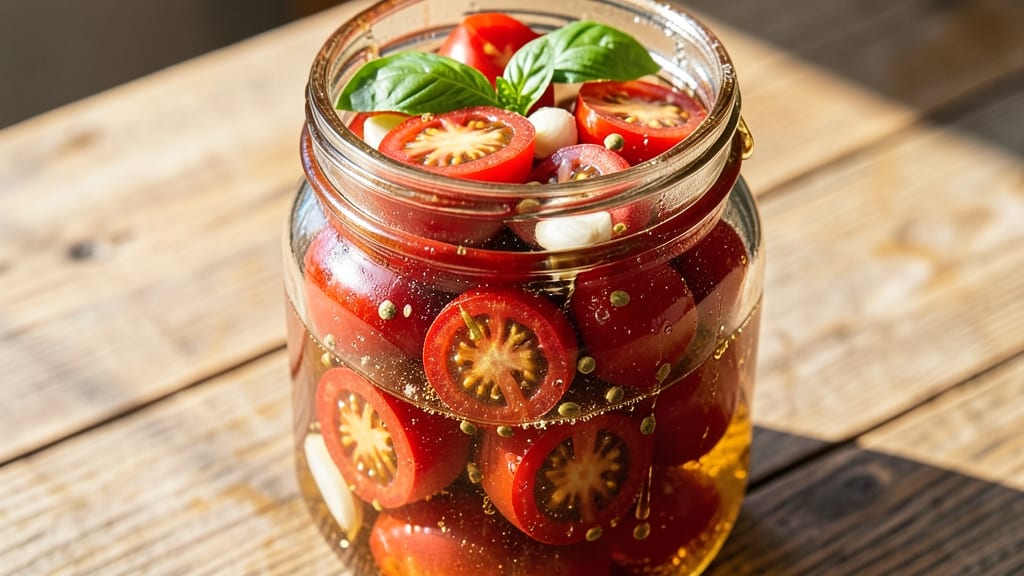
Transforming bright cherry tomatoes into sweet, tangy pickles is one of the most rewarding kitchen techniques you’ll master—this balanced sweet pickled cherry tomatoes recipe delivers restaurant-quality flavor with minimal effort.
The secret lies in the precise ratio of vinegar, sugar, and spices, which creates a briny-sweet equilibrium that elevates every dish it touches. I developed this recipe after years of experimenting with pickling, and it’s now a staple in my pantry for adding brightness to salads, sandwiches, and charcuterie boards.
This recipe uses a simple yet effective liquid brine that preserves the tomatoes’ natural texture while infusing them with a delicate sweetness and subtle tang. The process is straightforward: combine vinegar, sugar, water, and a touch of garlic for depth, then let the tomatoes steep until perfectly tender and flavorful.
Unlike store-bought versions, this method ensures no artificial additives, just pure, vibrant flavor that develops over time.
What you’ll end up with is a jar of glossy, ruby-red tomatoes that burst with balanced sweetness and a satisfying crunch. The brine’s subtle spice notes—just enough garlic and mustard seeds—add complexity without overpowering the tomatoes’ natural sweetness.
These pickles keep for months in the refrigerator, making them a versatile addition to any meal.
Perfect for brightening summer salads, topping charcuterie boards, or adding a tangy crunch to sandwiches, this recipe is a game-changer for anyone who loves bold, homemade flavors. Let’s get started on creating your own batch of these addictive pickles.
Ingredients for sweet pickled cherry tomatoes
Nine essential ingredients transform vibrant cherry tomatoes into restaurant-quality sweet-tangy pickles with perfect texture.
| Ingredient | Amount | Notes |
|---|---|---|
| Fresh Cherry Tomatoes 🍅 | 2 lbs | Bright red, firm, unblemished |
| White Vinegar 💧 | 1 ½ cups | Distilled, 5% acidity preferred |
| Granulated Sugar 🍚 | 1 cup | White or raw cane preferred |
| Water 💧 | 1 ½ cups | Filtered or distilled preferred |
| Garlic Cloves 🧄 | 4 cloves | Fresh, peeled, thinly sliced |
| Mustard Seeds 🌶️ | 1 tsp | Yellow or brown preferred |
| Black Peppercorns 🌶️ | ½ tsp | Freshly cracked preferred |
| Bay Leaves 🍃 | 2 whole | Dried, high-quality preferred |
| Diamond Crystal Kosher Salt 🧂 | 1 ½ tbsp | For brine balance, not iodized |
| Red Wine Vinegar 🍷 | ½ cup | For depth, optional but recommended |
The cherry tomatoes are the foundation—opt for heirloom or vine-ripened varieties from a trusted source like Whole Foods or your local farmers market for superior flavor. Their natural sweetness develops beautifully during the pickling process. The vinegars (white and red wine) create the signature briny-sweet balance; Heinz Distilled White Vinegar provides consistent acidity while Trader Joe's Organic Red Wine Vinegar adds subtle complexity. For the sugar, Domino or C&H brands work perfectly, but avoid powdered sugar which dissolves unevenly. The garlic should be fresh, with a vibrant purple hue indicating peak flavor. Mustard seeds and peppercorns from Penzeys Spices offer superior quality over generic store brands.
No red wine vinegar? Substitute additional white vinegar at the same quantity, though you'll lose subtle fruity notes. Fresh garlic unavailable? Garlic powder at 1/4 tsp provides minimal flavor but won't overpower. Mustard seeds can be omitted entirely if you prefer a milder profile. For the sugar, honey or maple syrup at 1:1 ratio creates a different flavor profile but works beautifully. The bay leaves are optional but recommended—they infuse subtle earthy notes without dominating. If you're pickling during summer's peak tomato season, double the batch while supplies last; these pickles develop even better flavor after 2-3 weeks of storage.
Store the pickled tomatoes in sterilized glass jars with airtight lids in the refrigerator for optimal freshness. They'll maintain peak quality for 3-4 months when properly sealed. For long-term storage, transfer to freezer-safe containers and freeze for up to 6 months. The flavor actually improves with time—wait at least 2 weeks before eating for maximum sweetness development. When ready to serve, drain and pat dry with a paper towel to remove excess brine. These pickles make excellent gifts—simply transfer to decorative jars and include a handwritten recipe card.
Why You'll Love This Recipe
- No-Fuss Pantry Staples: I keep a jar of these in my fridge year-round because they only need vinegar, sugar, and tomatoes—stuff I already have. No specialty shopping, no fancy tools, just open, dump, and wait.
- Sweet-Tangy Magic: That first bite? The sugar caramelizes just enough to make the tomatoes irresistible while the vinegar keeps it bright—like a candy-coated bite with a little kick. Honestly, my kids snatch them straight from the jar.
- Party Snack Hero: Slap these on charcuterie boards, toss them in salads, or serve as a side for grilled meats—they disappear fast. Between us, they’re my go-to when I need something that looks fancy but takes zero effort.
- Lasts for Weeks: One batch feeds my family for ages, and they only get better as the flavors meld. I make a big jar in summer when tomatoes are cheap, then enjoy them through fall and winter. Budget win.
Step-by-step instructions for sweet pickled cherry tomatoes
Here's the precise method for crafting perfectly balanced sweet pickled tomatoes with vibrant flavor and ideal texture.
Prepare the Tomatoes and Brine Base
Begin by halving the 2 lbs fresh cherry tomatoes through the stem end, creating uniform halves. Arrange them cut-side down in a single layer in a large glass jar or non-reactive container. This arrangement ensures even exposure to the brine and prevents bruising during the pickling process.
In a separate saucepan, combine the 1.5 cups white vinegar, 1 cup granulated sugar, 1.5 cups water, 1.5 tbsp diamond crystal kosher salt, 2 whole bay leaves, 1 tsp mustard seeds, and 0.5 tsp black peppercorns. Bring to a gentle simmer over medium heat, stirring until the sugar and salt fully dissolve. The mixture should become clear and translucent—this indicates proper dissolution and even flavor distribution throughout the brine.
Infuse the Brine with Aromatics
Remove the saucepan from heat and add the 4 cloves garlic cloves and 0.5 cup red wine vinegar. Let the mixture steep for 10 minutes, allowing the garlic and wine vinegar to infuse their distinct flavors into the brine. This infusion creates depth and complexity that distinguishes these pickles from basic vinegar solutions.
Strain the infused brine through a fine-mesh sieve to remove the bay leaves and mustard seeds, then return the clear liquid to the saucepan. The strained brine should be completely free of any particulate matter, ensuring a smooth texture in your final product. Keep the strained liquid warm but not boiling—maintaining a temperature between 180°F and 190°F prevents the tomatoes from cooking through while allowing for proper flavor absorption.
Pack and Preserve the Tomatoes
Using a slotted spoon, carefully transfer the tomato halves to the prepared jar, packing them tightly but avoiding compaction that could crush delicate fruit. Pour the warm infused brine over the tomatoes until they are completely submerged, leaving about 1 inch of headspace at the top of the jar. This submergence prevents mold growth and ensures even flavor penetration throughout each tomato half.
Seal the jar and allow the tomatoes to cool to room temperature at which point they can be refrigerated. The pickling process continues as the tomatoes absorb the brine over the next 24 to 48 hours, developing their signature sweet-tangy balance. For best results, consume within 2 weeks of preparation, though properly sealed jars will maintain quality for up to 3 months in the refrigerator.
Develop Optimal Flavor Through Resting
After the initial preparation, store the sealed jar of tomatoes in the refrigerator for at least 24 hours before consuming. This resting period allows the flavors to fully meld and the tomatoes to achieve their characteristic tender-crisp texture. The acidity from the vinegar will gradually penetrate each tomato, creating that perfect balance between sweetness from the sugar and tang from the vinegar.
Taste a tomato after 24 hours to evaluate the flavor profile. If you prefer a more pronounced sweetness, allow them to pickle for an additional 24 hours. For those who enjoy a sharper tang, you can reduce the resting time to 12 hours. The ideal balance will be achieved when each bite delivers both sweet and acidic notes without either flavor dominating completely.
Pro Tips For Making Sweet Pickled Cherry Tomatoes
- STERILIZE THE JARS FIRST: I learned this the hard way—skipping sterilization leads to cloudy brine and spoiled tomatoes. Run jars and lids through boiling water for 10 minutes (or pop them in a 250°F oven for 15) before filling. The extra 15 minutes now saves you from tossing a batch later.
- USE ROOM-TEMPERATURE TOMATOES: Cold tomatoes release water and dilute your brine. Take them out of the fridge 30 minutes before prepping so they’re at room temperature. The texture stays firm, and the flavor absorbs better—no soggy messes here.
- SIMMER THE BRINE LONGER: Don’t rush the sugar dissolving. Bring the vinegar-water mix to a full boil, then simmer for 5 minutes after adding sugar. This guarantees the sugar fully integrates instead of settling as gritty crystals at the bottom. Patience here makes the flavor sing.
- ADD GARLIC LAST: Tossing garlic cloves in whole makes them tough and bitter. Smash them lightly with the flat of a knife or mince them into tiny pieces before adding to the hot brine. The flavor infuses evenly—no chewy surprises when you bite into a tomato.
Pro cooking tips for great sweet pickled cherry tomatoes
Sterilization Secrets
Proper sterilization is the foundation of perfect pickles—never skip this step! I use a boiling water bath for 10 minutes to sterilize both the jars and lids. For extra peace of mind, I add 1 tbsp lemon juice to the sterilizing water—its acidity helps prevent bacterial growth.
After sterilizing, let jars dry completely on a clean kitchen towel before packing tomatoes. This prevents condensation from diluting your carefully balanced brine. 💫
Brine Temperature Control
Heat your brine to exactly 180-190°F before pouring—this temperature range ensures proper flavor infusion without cooking the tomatoes. I use a candy thermometer for precision, as boiling water (212°F) can over-soften delicate cherry tomatoes.
Pour the warm brine immediately after straining to lock in maximum flavor extraction from the garlic and spices. The tomatoes should be completely submerged within 10 minutes of packing to prevent surface spoilage.
Garlic Infusion Hack
For deeper garlic flavor without overpowering the tomatoes, I crush the 4 cloves lightly with the flat side of my chef's knife before adding them to the warm brine. This releases more oils while keeping the pieces intact for easy straining.
Let the garlic steep for exactly 10 minutes—any longer and it can develop bitterness. The red wine vinegar should be added last to preserve its delicate fruity notes. 🧄
Tomato Packing Technique
Use a slotted spoon to pack tomatoes cut-side down in the jar—this prevents them from floating and ensures even exposure to the brine. Leave 1 inch of headspace at the top to allow for natural expansion during the initial 24 hours.
I gently press each tomato into place with my fingers, creating a snug but not compact arrangement. This technique maximizes surface area for flavor absorption while maintaining the tomatoes' natural shape and texture.
Flavor Development Timeline
The magic happens during the first 48 hours of refrigeration. After 24 hours, the tomatoes will have absorbed about 70% of their final flavor, with sweetness developing gradually. For restaurant-quality results, I recommend waiting 36-48 hours before tasting.
The brine will become noticeably more concentrated as the tomatoes release their natural juices—this is when you know they're ready. The longer they pickle (up to 3 months), the more complex the flavor profile becomes.
Troubleshooting Cloudy Brine
If your brine appears cloudy after 24 hours, it's likely due to insufficient sterilization or improper sugar dissolution. To fix this, carefully ladle off the cloudy top layer (about ¼ inch) and replace it with fresh warm brine.
For future batches, ensure your sugar is completely dissolved by simmering the brine for an additional 2 minutes after it first comes to a boil. I also recommend using filtered water to prevent mineral cloudiness. Cloudiness doesn't affect safety but does indicate less-than-optimal flavor development. ✨
Nutrition facts
Frequently asked questions
Can I use green cherry tomatoes for this recipe?
While this recipe is designed for bright red cherry tomatoes, you can absolutely use green varieties! The pickling process will transform their color to a vibrant yellow-green hue. For best results, choose firm, unblemished green tomatoes and allow them to pickle for an extra 24 hours to develop their unique flavor profile. The acidity in the brine will mellow their grassy notes into something more complex and tangy.
How do I adjust the sweetness level if I prefer less sugar?
Reduce the sugar by 2 tablespoons for a milder sweetness, or omit it entirely for a more vinegar-forward profile. For extra depth without sugar, add 1 teaspoon of honey or ½ teaspoon of vanilla extract to the warm brine. Remember, the tomatoes' natural sweetness will develop more over time—taste after 48 hours to evaluate.
Can I make this recipe without red wine vinegar?
Yes! Simply increase the white vinegar by ½ cup to maintain the same acidity level. While you'll lose the subtle fruity notes from red wine vinegar, the overall flavor will still be balanced. For a different twist, substitute with apple cider vinegar (same quantity) for a slightly sweeter, apple-infused flavor. The pickles will still develop that signature tangy crunch.
Why did my pickled tomatoes turn mushy?
Mushiness usually occurs from either overcooking the tomatoes (brine too hot) or insufficient acidity. Ensure your brine reaches only 180-190°F and never boils. For extra preservation, add 1 extra tablespoon of vinegar per quart of liquid. Also verify your jars are properly sealed—if air gets in, fermentation can cause softening. Start with a fresh batch using sterilized equipment for best results.
How can I use these pickles beyond salads?
These versatile pickles elevate countless dishes! Try them as a topping for grilled cheese sandwiches, mixed into pasta salads, or scattered over charcuterie boards with cheeses and cured meats. They also make an excellent garnish for burgers or tacos, or chop them finely to mix into homemade salsa. The sweet-tangy balance pairs beautifully with rich, fatty foods like fried chicken or creamy dips.