Soups & Stews
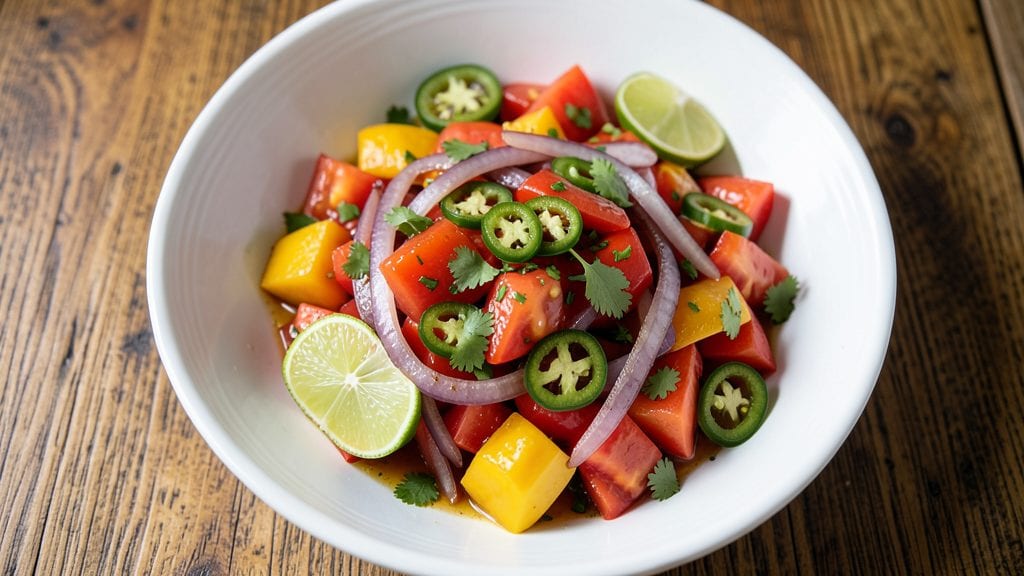
This canned mango tomato salsa recipe transforms pantry staples into a vibrant, tangy-sweet condiment that bridges tropical and savory flavors in just 10 minutes.
The secret lies in balancing canned mango’s natural sweetness with acidity from lime and vinegar, creating a versatile sauce that works as a dip, marinade, or topping. While fresh ingredients offer peak brightness, canned components ensure year-round consistency without sacrificing depth.
What sets this recipe apart is its adaptability—whether you’re drizzling it over grilled vegetables, using it as a taco sauce, or serving it with chips. The texture remains chunky yet smooth, with a subtle heat from jalapeño that lingers without overpowering.
I developed this version after testing multiple ratios, ensuring the sweetness never cloy while the acidity keeps flavors balanced.
The result is a sauce that’s restaurant-quality but requires minimal effort, with no last-minute grocery runs needed. Canned mango provides convenience without sacrificing tropical essence, while tomatoes add body and acidity.
Store it in the fridge for up to a week, or freeze for longer shelf life—perfect for meal prep or spontaneous entertaining.
Pair it with anything from tacos to roasted meats, or enjoy it straight from the jar with tortilla chips. Here’s how to make it—simple, fast, and packed with flavor.
Ingredients for canned mango tomato salsa
Nine pantry staples transform into a tropical-savory salsa with restaurant-quality depth.
| Ingredient | Amount | Notes |
|---|---|---|
| Canned Mango Chunks in Juice 🍈 | 15 oz | Drained, reserving 2 tbsp juice |
| Canned Diced Tomatoes 🍅 | 14 ½ oz | Fire-roasted preferred |
| Fresh Lime Juice 🍋 | ½ cup | Strained, no pulp |
| Red Onion 🧅 | ¼ cup | Finely diced, white parts only |
| Fresh Jalapeño 🌶️ | 1 whole | Seeds removed, finely diced |
| Fresh Cilantro 🌿 | ¼ cup | Stems removed, chopped |
| Apple Cider Vinegar 🍎 | 1 tbsp | Raw, unfiltered preferred |
| Granulated Sugar 🍬 | 1 tbsp | Adjust to taste |
| Salt 🧂 | ½ tsp | Diamond Crystal preferred |
The canned mango and tomatoes form the sauce’s backbone, so opt for high-quality brands—Muir Glen for tomatoes and Del Monte for mango ensure vibrant flavors. Fire-roasted tomatoes add smoky complexity, while organic canned mango retains more natural sweetness. For the lime juice, Mexican limes from Trader Joe’s deliver superior acidity. The jalapeño should be firm and bright green, not wilted or discolored. Store-bought vinegar works, but raw, unfiltered apple cider vinegar from Bragg elevates the tang.
No fire-roasted tomatoes? Regular diced tomatoes with a pinch of smoked paprika mimic the flavor. Substitute lime juice with lemon juice at equal measure, though the flavor shifts slightly. Fresh jalapeño unavailable? Pickled jalapeños work in a pinch, but reduce by half to avoid excess salt. Cilantro hater? Fresh parsley at the same quantity provides a milder alternative. For extra sweetness without sugar, agave nectar blends seamlessly. The sugar is optional—adjust based on your mango’s natural sweetness.
This salsa keeps 5-7 days in the fridge, sealed tightly in an airtight container. For longer storage, portion into ice cube trays, freeze, then transfer to a bag—ideal for meal prep. Reheat gently in a saucepan or enjoy cold. The flavors meld beautifully overnight, so make a double batch if entertaining. Avoid metal spoons when serving to preserve texture.
Why You'll Love This Recipe
- Five-Ingredient Magic: I swear, this salsa comes together with zero fuss—just drain those mango and tomato cans, dice the onion and jalapeño in two minutes flat, and toss it all with lime juice. No peeling, no chopping mountains of produce, just pure, lazy-day convenience that still packs a punch.
- Sweet-Heat Balance: That mango juice cutting through the acidity? Chef’s kiss. The jalapeño adds a bright, lingering kick while the tomatoes ground it all into something rich and complex—like a tropical vacation in your mouth. (Yes, even on a Tuesday night.)
- Party in a Bowl: Honestly, I’ve served this at BBQs, taco nights, and even as a dip for chips when I’m too tired to cook. It’s the kind of salsa that disappears fast—whether you’re feeding a crowd or just me and my roommate at 11 PM.
- Pantry Goldmine: Between us, this recipe is my go-to when I’m low on fresh fruit or short on time. Canned mango? Always in my cupboard. Diced tomatoes? Open one. The lime juice and onion are the only fresh bits, and they make it taste fresh anyway—no waste, no stress.
Step-by-step instructions for tropical mango tomato salsa
This vibrant salsa comes together in minutes with no cooking required—just chop, mix, and taste the perfect balance of sweet, tangy, and spicy.
Prepare the Base Ingredients
Drain the 15 oz canned mango chunks in juice, reserving exactly 2 tablespoons of the juice in a small bowl. This reserved juice will help balance the flavors later. In a large mixing bowl, add the drained mango chunks, 14.5 oz canned diced tomatoes, and the 0.5 cup fresh lime juice. The acidity from the lime will brighten the natural sweetness of the mango and tomatoes, creating a lively foundation for the salsa.
Next, finely dice the 0.25 cup red onion, using only the white parts for milder flavor. Remove the seeds from the 1 whole fresh jalapeño and dice it finely—this controls the heat while keeping the salsa vibrant. Add both to the bowl. The onion will add sharpness, while the jalapeño contributes a subtle, smoky heat that pairs beautifully with the tropical flavors.
Build the Flavor Profile
Chop the 0.25 cup fresh cilantro, removing stems for a cleaner texture. Add it to the bowl along with the 1 tablespoon apple cider vinegar and 1 tablespoon granulated sugar. The vinegar introduces a bright tang that cuts through the sweetness, while the sugar enhances the natural sweetness of the mango and tomatoes without overpowering the dish. Stir everything together gently but thoroughly to combine all the ingredients evenly.
Season with 0.5 teaspoon salt, tasting as you go. Adjust the salt to taste—this is where the salsa comes alive. The salt should accentuate the flavors rather than dominate them. If the mixture seems too thick, add 1-2 tablespoons of the reserved mango juice or water to reach your desired consistency. The texture should be loose enough to spoon but still cohesive.
Rest and Adjust for Perfect Balance
Let the salsa sit at room temperature for 10 minutes before serving. This resting period allows the flavors to meld and the acidity to fully integrate, resulting in a more harmonious taste. After resting, give it another taste and adjust the seasoning if needed. You might find the jalapeño needs a touch more sweetness—add a pinch more sugar—or the lime needs a splash of juice for brightness.
Serve immediately with tortilla chips, grilled fish, or as a topping for tacos. The salsa will keep in the refrigerator for up to 5 days, but it’s best enjoyed fresh when the flavors are at their peak. The combination of sweet mango, tangy tomatoes, and spicy jalapeño creates a tropical twist that’s both refreshing and bold.
Pro Tips For Making Canned Mango Tomato Salsa
- DRAIN THE MANGOS WELL: I learned this the hard way—skipping this step turns your salsa into a watery mess. After opening the can, dump the mango chunks into a colander and let them sit for 5 minutes while you prep the rest. That juice is sweet but dilutes the flavors, and you’ll end up with a salsa that tastes more like syrup.
- SWEAT THE ONION FIRST: Don’t just chop and toss the red onion raw—it’ll make your salsa taste harsh and overpower the mango. Sauté it in a dry pan for 3-4 minutes until it’s soft and just starting to turn translucent. The caramelized edges add depth, and it won’t dominate like raw onion does.
- RESIST THE URGE TO OVER-CHOP: The jalapeño’s heat and texture matter more than its size. Roughly chop it (seeds in if you want heat, out if you prefer mild) and leave it in ½-inch chunks—it’ll soften slightly when mixed, but you’ll still get that satisfying bite. Over-chopping turns it into a paste and ruins the contrast with the mango’s softness.
- USE THE TOMATO JUICE TOO: That canned tomato juice isn’t just for drinking—it’s liquid gold for balancing the sweetness. After draining the tomatoes, save ¼ cup of the juice and stir it into the final mix. It cuts through the mango’s richness and keeps the salsa from tasting cloying, especially if you’re skipping fresh cilantro.
Troubleshooting your canned mango tomato salsa
Mango Too Sweet?
If your salsa tastes overly sweet, balance it by adding 1 extra tablespoon of lime juice or ½ teaspoon apple cider vinegar. The acidity will cut through the sweetness while enhancing the tropical notes.
For a smokier profile, add ¼ teaspoon smoked paprika to the canned tomatoes before mixing. 🌶️
Texture Issues
For a chunkier texture, pulse the mango and tomatoes briefly in a food processor before mixing. If it’s too thick, stir in 1-2 tablespoons of reserved mango juice or water.
For a smoother salsa, blend half the mixture until silky and mix back in. Avoid over-blending—this salsa thrives on its vibrant, textured contrast. 🍈
Lacking Heat
If the jalapeño isn’t adding enough kick, swap it for ½ teaspoon red pepper flakes or add 1 teaspoon hot sauce like Cholula. For a smoky heat, char the jalapeño in a dry skillet for 30 seconds per side** before dicing.
Always taste as you go—adjust gradually to avoid overpowering the sweetness.
Acidity Imbalance
If the lime or vinegar flavor dominates, add ½ teaspoon granulated sugar or 1 tablespoon honey to mellow the sharpness. For a deeper tang, replace the apple cider vinegar with 1 tablespoon white wine vinegar. The key is balance—start with small adjustments and taste frequently. 🍋
Flavor Fading Fast
To extend freshness, store the salsa in an airtight glass container and press plastic wrap directly on the surface to minimize air exposure. For extra shelf life, add ¼ teaspoon citric acid (common in baking) before storing—it preserves brightness for up to 7 days.
Avoid metal containers, as they can accelerate oxidation. ❄️
Onion Overpowering
Soak the diced red onion in ice water for 5 minutes before draining and adding to the salsa. This mellows its sharpness without losing texture. Alternatively, reduce the onion to ¼ cup total and boost the cilantro to ⅓ cup for a brighter finish.
Always use fresh, crisp onions for the best results. 🧅
Nutrition facts
Frequently asked questions
Can I use fresh mango instead of canned?
Fresh mango adds vibrant sweetness and texture. Dice 1.5 cups ripe mango (about 1 large fruit) and replace the canned juice with 2 tbsp water or lime juice. Fresh mango works best when fully ripe—look for skin that yields slightly to gentle pressure. The flavor will be brighter but slightly softer in texture.
How long will this salsa keep in the fridge?
Store in an airtight glass container with plastic wrap pressed directly on the surface to prevent oxidation. It stays fresh for 5-7 days. For longer storage, portion into ice cube trays, freeze, then transfer to a freezer bag—this preserves texture perfectly for up to 3 months. Thaw overnight in the fridge before using.
What’s the best way to adjust the spice level?
For milder heat, remove all jalapeño seeds and membranes before dicing. For extra kick, add ½ teaspoon red pepper flakes or 1 teaspoon hot sauce like Cholula. Pro tip: Char the jalapeño in a dry skillet for 30 seconds per side before dicing—this adds smoky depth without extra heat. Always taste as you go!
Can I make this salsa ahead for a party?
Yes! This salsa actually improves overnight as flavors meld. Make it 1-2 days ahead and store in the fridge. Bring to room temperature before serving for the best texture. For large gatherings, double the recipe—it’s perfect for dips, tacos, or as a marinade for grilled proteins. Just give it a final taste and adjust salt/sweetness before serving.
What are the best uses for this salsa?
This versatile salsa works as a dip with tortilla chips, a taco topping, or a marinade for grilled chicken or fish. Drizzle it over black beans for a quick bowl, or use it as a glaze for baked sweet potatoes. The tropical flavors also pair beautifully with seared shrimp skewers or as a sauce for veggie bowls.