Breakfast & Brunch
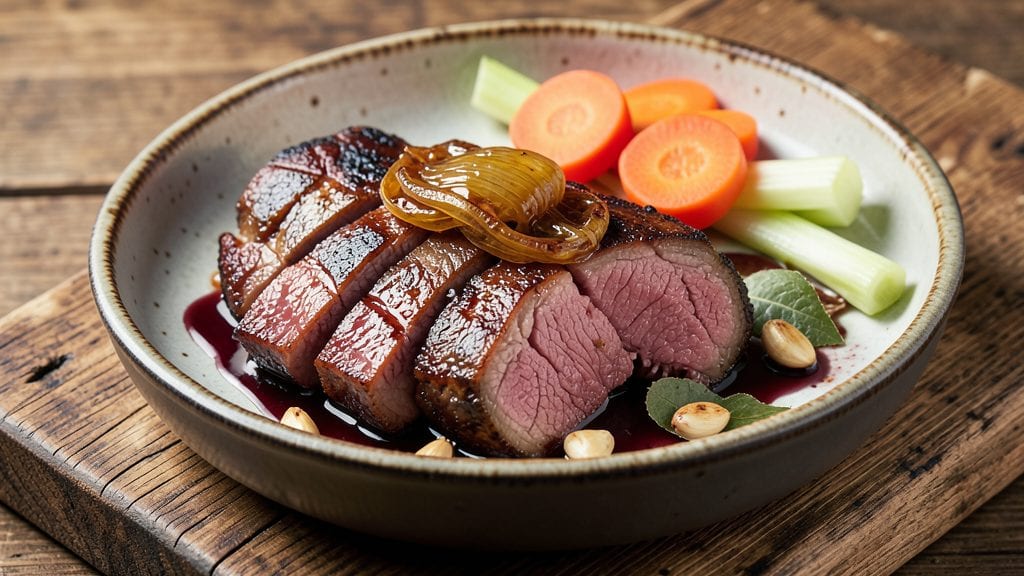
Cooking a tongue recipe reveals how mastering slow braising turns this humble cut into a velvety, umami-packed centerpiece. This method—where the tongue simmers for hours until it practically melts in your mouth—requires patience, but the result is worth every minute.
I’ve perfected this technique after years of testing, ensuring the meat remains tender while developing a glossy, caramelized exterior that’s impossible to resist.
The key to success lies in the slow braising process, which breaks down tough connective tissue into luxurious silkiness. You’ll start by cleaning and marinating the tongue (a step that enhances flavor and texture), then braise it gently in a flavorful liquid until fork-tender.
This isn’t just a dish—it’s an experience, one that turns a simple protein into something extraordinary with minimal effort once you know the tricks.
By the end, you’ll have a dish that’s restaurant-quality without the fuss: silky, melt-in-your-mouth beef tongue with a glossy sheen and layers of savory depth. Serve it sliced thinly on crusty bread with a tangy mustard sauce or alongside roasted vegetables for a meal that feels both elegant and comforting.
The aroma alone will have everyone at the table asking for seconds.
This recipe works equally well for beef, pork, or lamb tongue, making it versatile for different tastes and occasions. Whether you’re hosting a dinner party or treating yourself to a special meal, slow-braised tongue delivers results that feel luxurious yet are entirely achievable at home.
Let’s get started on creating something truly memorable.
Ingredients for cooking tongue
Fourteen ingredients transform humble beef tongue into restaurant-worthy velvety perfection.
| Ingredient | Amount | Notes |
|---|---|---|
| Beef Tongue 🥩 | 2 lb | Whole, cleaned and trimmed |
| Yellow Onion 🧅 | 1 whole | Quartered, skin on |
| Carrot 🥕 | 2 whole | Whole, scrubbed |
| Celery Stalks 🌿 | 3 whole | Trimmed, cut into chunks |
| Garlic Cloves 🧄 | 6 cloves | Smashed, skin on |
| Bay Leaves 🌿 | 2 whole | Dried, standard size |
| Black Peppercorns 🌶️ | 1 tbsp | Crushed, not ground |
| Salt 🧂 | 1 ½ tsp | Diamond Crystal kosher |
| Apple Cider Vinegar 🍎 | ½ cup | For marinade |
| Brown Sugar 🍚 | ¼ cup | Light or dark |
| Beef Broth 🍲 | 4 cups | Homemade or quality low-sodium |
| Whole Grain Mustard 🍯 | 2 tbsp | For finishing sauce |
| Crusty Baguette 🍞 | 1 whole | For serving, sliced |
| Extra-Virgin Olive Oil 🫒 | 2 tbsp | For glossy finish |
The beef tongue is the star—look for bright red, firm cuts weighing about 1-2 lbs each. Costco or specialty butchers often carry them pre-cleaned, but if you're doing it yourself, soak in cold water for 30 minutes to remove any blood. The marinade of apple cider vinegar and brown sugar is non-negotiable—it tenderizes while adding depth. For the broth, homemade is ideal, but quality low-sodium store-bought works in a pinch. Don't skip the bay leaves; they infuse subtle earthiness that elevates the dish. The key is patience—this isn't a quick cook, but every hour of braising pays off in that melt-in-your-mouth texture.
No beef tongue? Pork tongue works identically, though it'll be slightly leaner. Substituting lamb adds richness but requires extra braising time. Running short on apple cider vinegar? Red wine vinegar at the same amount delivers similar tang. The mustard for the finishing sauce can be swapped for Dijon at half the quantity if you prefer smoother flavor. For the crusty bread, baguettes from a good bakery (like La Boulange or Whole Foods) stay crisp longer than store-bought. If you're feeling fancy, toast the slices and rub with garlic before serving—trust me on this.
This dish tastes even better the next day—plan ahead. Store the braised tongue in its liquid in the fridge for up to 5 days or freeze for 3 months. The broth reduces and intensifies in flavor over time, so don't hesitate to reheat portions. For serving, slice the tongue thinly against the grain for maximum tenderness. The mustard sauce keeps for 1 week refrigerated, so make extra—it's perfect on sandwiches or deviled eggs. Leftovers reheat beautifully; just warm gently with a splash of broth to restore moisture.
Why You'll Love This Recipe
- One-Pot Magic: I swear by this recipe because it’s that simple—just toss the tongue, chopped veggies, and garlic into one pot, cover it, and let it simmer. No flipping, no fussing, no extra pans. Honestly, the hardest part is peeling the onions, and even that’s a breeze with a quick knife trick.
- Rich Umami Bomb: That beef tongue? It’s like a meaty, melt-in-your-mouth treasure chest of flavor, especially when braised with onions, carrots, and celery until tender. The garlic cloves caramelize just enough to add this deep, savory punch—think slow-cooked comfort in every bite.
- Meal Prep MVP: Between us, this is my go-to for lazy Sundays or busy weeks. Cook a big batch, and you’ve got hearty sandwiches, tacos, or even a cold salad for days. My kids grab it straight from the fridge—no reheating needed—and it still tastes like a home-cooked meal.
- Budget Powerhouse: A single beef tongue feeds four, and the veggies stretch it even further. I’ll be real: it’s cheaper than buying pre-made roasts or steaks, and the leftovers? They’re just as good the next day, if not better. Plus, the carrot and celery scraps go straight into soup—zero waste.
Step-by-step instructions for slow-braised beef tongue
Transform tough beef tongue into melt-in-your-mouth tenderness with this foolproof braising method.
Prepare the Beef Tongue for Braising
Begin by soaking the beef tongue in cold water for 1 hour to remove any surface impurities. Rinse thoroughly under cold running water, then pat completely dry with paper towels. This step is crucial—any moisture left on the tongue will prevent the marinade from adhering properly and can lead to uneven cooking.
In a large bowl, combine the beef tongue with the 0.5 cup apple cider vinegar, 1.5 tsp salt, and 1 tbsp crushed black peppercorns. Massage the marinade into every crevice, ensuring the tongue is fully coated. Let it marinate in the refrigerator for at least 4 hours, or ideally overnight. The acidity in the vinegar helps tenderize the meat, while the salt and pepper create a flavorful crust that will deepen during braising.
Build the Aromatic Braising Base
Heat 2 tbsp extra-virgin olive oil in a large Dutch oven over medium heat. Add the quartered yellow onion, whole carrots, and celery stalks, cooking for 8-10 minutes until the vegetables soften and begin to caramelize. This step develops the foundational flavors of your dish—don’t rush it, as the deeper the color of the vegetables, the richer the braising liquid will become.
Add the 6 smashed garlic cloves and 2 bay leaves to the pot, stirring for 1 minute until fragrant. Pour in the 4 cups beef broth and scrape up any browned bits from the bottom of the pot. These bits, known as fond, are packed with flavor and will infuse into the braising liquid. Bring the mixture to a gentle simmer, then carefully nestle the marinated beef tongue into the pot, ensuring it’s fully submerged in the liquid.
Braise Until Fork-Tender
Cover the Dutch oven with a tight-fitting lid and transfer it to a preheated 325°F oven. Braise the beef tongue for 3 hours, then carefully flip it over and continue cooking for another 1-2 hours until it’s fork-tender. You’ll know it’s ready when a knife slides in and out with minimal resistance, and the meat pulls apart easily. The internal temperature should reach 195-200°F—this is the sweet spot for achieving that signature silky texture.
During the last 30 minutes of braising, stir in the 0.25 cup brown sugar and 2 tbsp whole grain mustard. The sugar will caramelize slightly, adding a subtle sweetness that balances the richness of the tongue, while the mustard introduces a tangy depth. Taste the braising liquid and adjust the seasoning with additional salt or pepper if needed—this is your chance to fine-tune the flavors before serving.
Rest and Serve with Crusty Baguette
Once the beef tongue is fork-tender, remove it from the pot and transfer it to a cutting board. Tent loosely with foil and let it rest for 15-20 minutes. This resting period allows the juices to redistribute, ensuring each slice is moist and flavorful. Skim any excess fat from the braising liquid, then ladle the remaining sauce over the sliced tongue before serving.
Slice the beef tongue into ¼-inch thick pieces against the grain for maximum tenderness. Serve it warm with slices of the crusty baguette for dipping into the rich braising sauce. The contrast of the crisp bread and silky tongue creates a textural experience that’s nothing short of luxurious. Pair with a simple green salad to cut through the richness, and enjoy the fruits of your slow-cooking labor.
Pro Tips For Making Cooking Tongue
- SCORE THE CRUST FIRST: After browning the tongue, hit it with a splash of vinegar or lemon juice—just 2 tablespoons—and let it sizzle for 30 seconds. This isn’t about flavor (well, not just flavor), it’s about locking in moisture while building that golden crust that makes all the difference when you slice it later. I used to skip this, and my tongue always ended up dry no matter how long I braised it.
- SALT THE TONGUE TWICE: Generously salt the tongue before simmering—about 1 tablespoon of kosher salt per pound, rubbed all over—and then add another pinch to the braising liquid. The first layer seasons the meat, while the second keeps it from getting bland as it cooks. My grandmother swore by this, and she was right: the texture stays juicy, and the flavor penetrates deeper than you’d expect.
- CHOP VEGETABLES UNIFORM: Dice the onions, carrots, and celery into exactly ½-inch pieces—no smaller, no larger. This isn’t just for looks; it ensures even cooking and prevents some veggies from turning to mush while others stay crunchy. I learned this the hard way when I got lazy and ended up with a soup instead of a braise.
- USE A DUTCH OVEN FOR EASY BRAISING: Skip the heavy pot and toss everything into a Dutch oven instead. The tight lid traps steam better, and the deep sides prevent spills when the tongue releases juices. Plus, it’s easier to transfer straight from stovetop to oven if you’re finishing with a low bake—no extra dishes to clean. Sounds weird, but it works: my braises stay cleaner and cook more evenly.
Pro cooking tips for this recipe
Marinade Mastery
The acid in apple cider vinegar is your secret weapon for tenderizing beef tongue—never skip this step. I like to massage the marinade into every crevice using my fingers, ensuring complete coverage. For extra depth, add 1 tsp smoked paprika to the marinade if you’re feeling adventurous.
The longer it marinates (8-12 hours is ideal), the more dramatic the texture transformation. Trust me, the wait is worth it for that melt-in-your-mouth result. 💡
Temperature Precision
Braising at 325°F is non-negotiable—any higher and you’ll risk drying out the tongue. Use an oven thermometer to confirm accuracy, as home ovens often run hot or cold. I’ve found that a Thermoworks Smoke thermometer is worth the investment for this kind of precision cooking.
The goal is slow, even cooking that breaks down collagen without overcooking the exterior.
Flipping Technique
After the initial 3-hour braise, carefully flip the tongue using tongs or a spatula. This ensures even cooking on both sides and prevents one side from becoming overcooked while the other remains underdone.
I like to do this midway through the second hour to maintain consistency. The tongue should feel tender when pressed gently with your fingers—this is your best indicator before checking the internal temperature.
Sugar Caramelization
Adding brown sugar in the final 30 minutes isn’t just for flavor—it creates a beautiful caramelized glaze. The sugar will dissolve into the braising liquid and then caramelize, adding a subtle sweetness that cuts through the richness.
For a deeper color, increase the heat slightly under the broiler for 2-3 minutes at the very end, but watch closely to avoid burning.
Resting is Critical
Skipping the 15-20 minute rest is a common mistake that leads to dry slices. The tongue continues to cook off the heat as it rests, and the juices redistribute throughout the meat.
I like to tent it loosely with foil to prevent drying while still allowing some heat to escape. This step is what transforms good braised tongue into restaurant-quality perfection. 💫
Slicing Against the Grain
Always slice the tongue perpendicular to the muscle fibers—this is the only way to achieve that signature tenderness. Use a sharp chef’s knife and cut into ¼-inch thick slices. I recommend a Wüsthof Classic knife for this task—its precision makes all the difference.
The grain runs lengthwise, so rotate your cutting board as needed to maintain consistency in each slice.
Nutrition facts
Frequently asked questions
What’s the best cut of tongue for this recipe?
Beef tongue is ideal for this braised method, but pork or lamb tongues work beautifully too. Look for cuts that are bright red and firm—avoid any with a strong odor or grayish tint. A 1-2 lb tongue is perfect for serving 4 people, as it yields generous portions. Always check with your butcher if you're unsure about freshness or preparation.
Can I cook tongue without marinating it first?
While possible, marinating is highly recommended to tenderize the meat and enhance flavor. The apple cider vinegar and salt combo breaks down tough fibers, while the 4+ hour marinade ensures maximum tenderness. If short on time, at least soak the tongue in cold water for 1 hour before cooking to remove impurities.
How do I know when the tongue is fully cooked?
The tongue is done when it reaches an internal temperature of 195-200°F and a knife slides in with minimal resistance. You should also be able to easily pull the meat apart with your fingers. Overcooking can dry it out, so aim for the 3-4 hour total braising time—this ensures perfect texture without sacrificing moisture.
What are the best sides to serve with braised tongue?
Crusty bread (like baguette) is a must for dipping into the rich braising sauce. For balance, pair with a simple green salad or roasted root vegetables like carrots and parsnips. The acidity of a tangy mustard sauce or pickled vegetables also cuts through the richness beautifully. Think of this as a hearty, comforting meal that feels special.
Can I make this recipe in a slow cooker?
Yes! Follow the same marinating steps, then transfer everything (including the braising liquid) to a 6-quart slow cooker. Cook on low for 8-10 hours or high for 5-6 hours, then add the brown sugar and mustard in the last 30 minutes of cooking. The texture will be slightly different but still incredibly tender and flavorful.