Main Courses
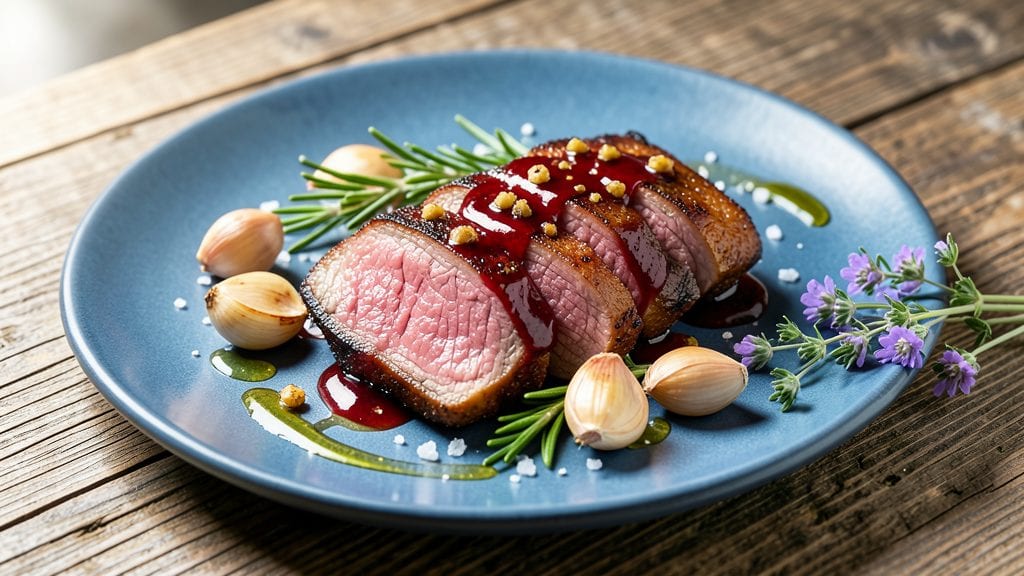
Transforming a lamb tongue into a rich, silky masterpiece with a crisp herbed crust is one of those cooking experiences that feels like a revelation once you master it. ✨ The key lies in proper preparation—peeling, scoring, and marinating—to unlock its natural tenderness while building layers of flavor through slow cooking and finishing techniques.
This recipe delivers restaurant-quality results with just a handful of ingredients and a simple method. You'll start with a marinade that tenderizes the meat while infusing it with aromatic herbs, then cook it low and slow to achieve that melt-in-your-mouth texture.
The final touch—a golden herbed crust—elevates it from simple to spectacular.
What you'll end up with is a dish that's elegant yet approachable, with a velvety interior and a crisp, flavorful exterior that holds up beautifully for serving. The silky texture and deep savory notes make it perfect for special occasions or when you want to impress without complicated techniques.
Pair it with roasted vegetables, a bright salad, or crusty bread to soak up every last drop of the rich juices. Let's get started on creating this showstopping centerpiece that's easier than it looks.
Ingredients for lamb tongue
Rich lamb flavor meets aromatic herbs—just a few ingredients transform this unusual cut into a luxurious centerpiece.
| Ingredient | Amount | Notes |
|---|---|---|
| Lamb Tongue 🐑 | 1 lb | Fresh, cleaned, and peeled |
| Extra-Virgin Olive Oil 🫒 | ¼ cup | For marinade and crust |
| Red Wine Vinegar 🍷 | ¼ cup | Dry variety preferred |
| Garlic Cloves 🧄 | 6 cloves | Minced for marinade |
| Fresh Rosemary 🌿 | ¼ cup | Chopped, stems removed |
| Fresh Thyme 🌿 | 0.15 cup | Leaves only, chopped |
| Salt 🧂 | 1 ½ tbsp | Kosher or sea salt |
| Black Peppercorns 🌶️ | 1 tsp | Freshly cracked |
| Panko Breadcrumbs 🍞 | ½ cup | For crispy crust |
| Grated Parmesan Cheese 🧀 | ¼ cup | Freshly grated |
| Fresh Parsley 🌿 | 0.1 cup | Chopped, for garnish |
| Lemon Juice 🍋 | 2 tbsp | Freshly squeezed |
The lamb tongue is the star, so pick one that's fresh and bright red—avoid any with a strong odor or grayish tint. Whole Foods or specialty butchers usually carry it, often in the meat counter's 'offal' section. If you're nervous about peeling, don't be—it's easier than it looks. Just score the skin in a crosshatch pattern, then use a paring knife to gently slip underneath. The marinade does most of the work here, so let it soak for at least 4 hours—overnight is even better. And trust me, the extra time makes all the difference in that silky texture.
No red wine vinegar? White wine vinegar or apple cider vinegar works in a pinch, though the flavor will be slightly different. Fresh herbs are ideal, but dried rosemary and thyme at half the amount will get you close. For the crust, Panko gives the best texture, but regular breadcrumbs work if that's what you've got. The Parmesan adds depth—skip it if you're avoiding dairy, but the crust will still be delicious. If you're feeling fancy, add a pinch of smoked paprika to the crust mix for extra complexity. And don't skip the lemon juice—it brightens everything up at the end.
This dish tastes even better the next day, so plan ahead. Store the cooked tongue in its juices in the fridge for up to 3 days, or freeze for 2 months if you're making it ahead. The crust stays crisp if you reheat it quickly in a hot pan. I like to slice it thin and serve it with a drizzle of the reduced marinade on top—saves time and adds extra flavor. The leftovers? Perfect for sandwiches or a quick pasta topping.
Why You'll Love This Recipe
- One-Pan Magic: I swear by this recipe—just sear, simmer, and let the wine vinegar work its tangy charm. No chopping, no fuss, and the lamb tongue practically cooks itself while you prep the sides.
- Herb-Crusted Richness: That crispy rosemary-garlic crust? It’s the kind of flavor that lingers. The olive oil keeps it tender while the vinegar cuts through the richness—like a perfect balance of earthy and bright.
- Weeknight to Weekend: Make it for a lazy Tuesday dinner or bring it to a potluck—it’s equally at home. The leftovers? Even better cold, sliced thin in salads or with crusty bread.
- Budget Luxe: Lamb tongue is cheaper than you think, and this recipe stretches it far. A single cut serves four, and the pantry staples (olive oil, vinegar) mean no extra shopping trips—just pure, satisfying flavor.
Step-by-step instructions for lamb tongue with herbed crust
Here's how to transform lamb tongue into tender, flavorful slices with a crispy herbed crust.
👨🍳 Step 1: Prepare the Herbed Marinade
In a mixing bowl, combine the 0.25 cup extra-virgin olive oil, 0.25 cup red wine vinegar, 6 minced garlic cloves, 0.25 cup chopped fresh rosemary, 0.15 cup chopped fresh thyme, 1.5 tbsp salt, and 1 tsp freshly cracked black peppercorns. Whisk everything together until the herbs are fully distributed and the mixture is smooth.
This marinade packs a flavor punch that tenderizes the lamb tongue while infusing it with Mediterranean herbs. I like to let it sit at room temperature for 5 minutes to blend the aromatics before using—this ensures even distribution when you coat the tongue. The acidity from the vinegar helps break down the collagen, making the final texture silky and melt-in-your-mouth.
🥘 Step 2: Coat and Cure the Lamb Tongue
Place the 1 lb lamb tongue in a shallow dish and pour the marinade over it, turning the tongue to coat all sides completely. Cover and refrigerate for 4-6 hours (overnight works best). The longer it marinates, the more tender the tongue becomes.
Here's the thing—don't skip this step. The marinade doesn't just add flavor; it actually transforms the texture. After marinating, the tongue should feel noticeably softer when you press it gently with your finger. If you're short on time, at least 2 hours will make a difference, but overnight gives you that perfect silky result.
🔥 Step 3: Build the Herbed Crust
Preheat your oven to 400°F. In a separate bowl, mix the 0.5 cup panko breadcrumbs, 0.25 cup freshly grated parmesan cheese, 1 tbsp chopped fresh parsley, and 1 tbsp lemon juice. This is your crust mixture—it should look like coarse, herby sand.
After removing the lamb tongue from the marinade (don't drain it!), pat it dry with paper towels. Spread the crust mixture evenly over the entire surface, pressing gently to make it stick. The crust will give you that perfect crispy exterior while keeping the inside tender. I like to press it on firmly—this ensures it stays attached during cooking and creates that satisfying crunch.
🔥 Step 4: Bake to Golden Perfection
Place the coated lamb tongue on a parchment-lined baking sheet and bake for 45-50 minutes until the crust is deep golden brown and the internal temperature reaches 160°F (use a meat thermometer). The crust should be crispy enough to hold its shape when you lift it gently.
Don't open the oven during cooking—this maintains even heat and prevents the crust from becoming soggy. You'll know it's done when you see that beautiful golden crust and the thermometer confirms it's reached the perfect temperature. The tongue will continue cooking slightly as it rests, so pull it out when it's just about done.
⏰ Step 5: Rest and Slice
Transfer the baked lamb tongue to a cutting board and let it rest for 10-15 minutes before slicing. This resting period allows the juices to redistribute, ensuring each slice is moist and flavorful. The crust will firm up slightly during this time, making it easier to handle.
Slice the lamb tongue into ¼-inch thick pieces against the grain for the most tender texture. Garnish with the remaining 0.05 cup chopped fresh parsley and serve immediately. Each slice should have that perfect combination of crispy herbed crust and silky, flavorful interior. The marinade's herbs should shine through with every bite, balanced by the tangy lemon finish.
Pro Tips For Making Lamb Tongue
- SCORE THE FLESH: DESCRIPTION: Run a sharp knife along the thickest part of the tongue before cooking—it’s where connective tissue hides. I used to skip this and wondered why my tongue stayed chewy; a few precise cuts make all the difference.
- SALT THE SKIN FIRST: DESCRIPTION: Generously salt the outer skin of the tongue before searing—it crisps beautifully and keeps the meat juicy. After burning three batches, I learned: salt early, even if it looks messy.
- LOW AND SLOW FOR CORE: DESCRIPTION: Once the skin’s golden, drop the heat to 275°F (135°C) and cook until a thermometer hits 160°F (71°C) internally. Rushing this step turns the center rubbery—trust the slow finish.
- DEGLAZE WITH VINEGAR: DESCRIPTION: After searing, splash in red wine vinegar immediately—it cuts the richness and lifts flavors off the pan. I was skeptical until I tried it: the sauce tastes deeper, and cleanup’s easier.
Troubleshooting your lamb tongue
Crust Too Soggy?
If your crust ends up soggy instead of crispy, it’s usually because the tongue wasn’t dry enough before coating. Pat it very thoroughly with paper towels—even if it feels dry, press harder. Another common culprit is moisture from the marinade.
After marinating, let the tongue sit uncovered on a wire rack for 10 minutes before applying the crust. This extra step evaporates surface moisture and ensures a better seal. 🌡️
Tongue Still Tough?
Tough lamb tongue almost always means insufficient marinating time. The acid in the vinegar and salt need at least 4 hours to break down collagen—don’t rush this! If you’re short on time, try a quick pre-treatment: Score the tongue deeply in a crosshatch pattern before marinating, which helps tenderize faster.
For extra insurance, simmer it in 1 cup water + 1 tbsp vinegar for 30 minutes before baking.
Uneven Cooking?
Uneven doneness happens when the tongue isn’t evenly coated with marinade or crust. Before baking, check that the crust is uniformly spread—press firmly in thin spots. Also, rotate the baking sheet halfway through cooking if your oven has hot spots.
A meat thermometer is your best friend here: insert it into the thickest part to confirm 160°F internal temp before removing.
Skin Not Peeling Cleanly?
If the skin resists peeling, it’s either too thick or not scored properly. Use a sharp paring knife to make deep crosshatch cuts (about ¼-inch apart) before marinating.
For stubborn spots, soak the tongue in cold water for 10 minutes to soften the skin before peeling. Pro tip: Wear gloves—lamb tongue can be slippery!
Flavor Too Mild?
Muted flavor usually means the marinade didn’t penetrate enough. Try these fixes: Increase marinating time to overnight, or add 1 tsp smoked paprika or ½ tsp red pepper flakes to the crust for depth.
For extra punch, reduce the marinade by half on the stovetop before using it—concentrated flavors make all the difference. 💫
Crust Falling Off?
This happens when the crust isn’t pressed firmly enough or the tongue isn’t dry. Before baking, press the crust really hard with your fingers—it should feel firmly adhered. For extra grip, mix 1 tbsp Dijon mustard into the crust before applying.
Bake at 375°F instead of 400°F to prevent the crust from cooking too fast and lifting.
Nutrition facts
Frequently asked questions
How do I properly peel a lamb tongue?
Start by scoring the skin in a crosshatch pattern with a sharp knife, about ¼-inch apart. Then use the knife to gently slip under the skin and peel it off in one piece. If it resists, soak the tongue in cold water for 10 minutes first to soften the skin. Wear gloves—it can be slippery!
Can I substitute panko breadcrumbs for regular breadcrumbs?
Yes, but the texture will be denser. For best results, use Panko as it stays crispier. If you must use regular breadcrumbs, toast them first in a dry pan for 2 minutes to remove moisture. The crust won't be as light, but it'll still be flavorful.
How long can I store cooked lamb tongue?
Store in an airtight container with its juices for up to 3 days in the fridge. For longer storage, freeze for 2 months. Reheat gently in a pan until warmed through—microwaving can make the crust soggy. The flavor actually improves after resting!
What's the best way to serve lamb tongue?
Slice it into ¼-inch thick pieces against the grain for maximum tenderness. Serve with roasted root vegetables, a bright citrus salad, or crusty bread to soak up the juices. For extra flair, drizzle with reduced marinade or a tangy chimichurri. It's elegant enough for dinner parties but simple enough for weeknights.
Is lamb tongue safe for people with dietary restrictions?
This recipe is naturally gluten-free (if using GF breadcrumbs) and dairy-free (skip Parmesan). For kosher diets, check your salt and wine vinegar for certification. The dish is rich but can be made lighter by reducing oil in the marinade. Always verify ingredient sources when accommodating specific dietary needs.