Side Dishes
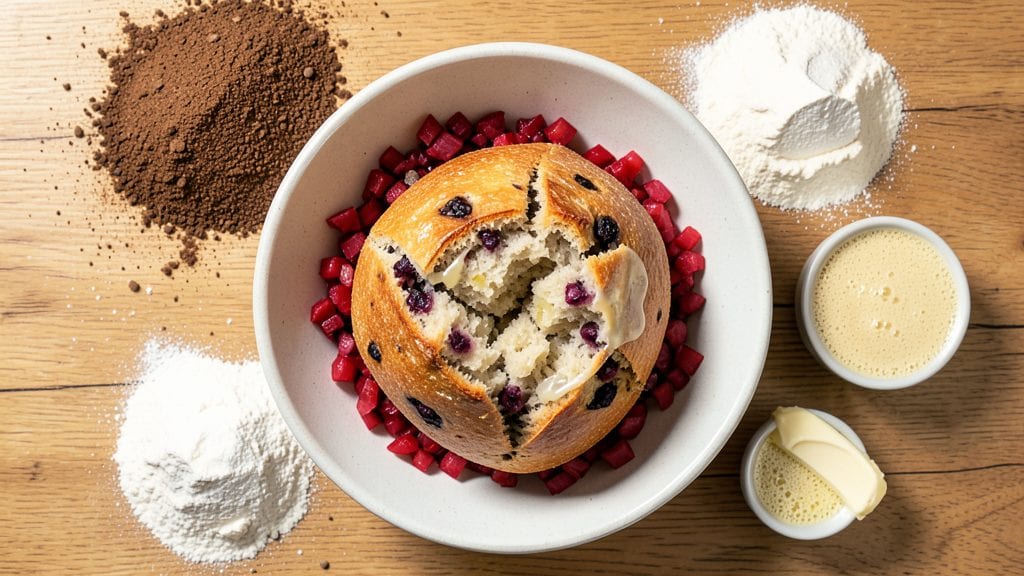
This sauerkraut bread recipe transforms tangy fermented cabbage into a hearty, flavor-packed loaf that’s perfect for sandwiches or side dishes. The key lies in balancing sauerkraut’s sharpness with warm spices and a sturdy dough—whether you go for a classic rye base or a lighter sourdough twist.
I’ve baked countless versions, and this one consistently delivers a crispy crust with a tender, slightly tangy crumb that keeps well for days.
The beauty of sauerkraut bread is its versatility—you can adapt it to your favorite bread style while keeping the fermented crunch intact. For a quick bread, mix chopped sauerkraut into a basic loaf batter, or go traditional with a rye or sourdough dough for deeper flavor.
The fermentation process (if using sourdough) enhances the tang, while baking at high heat ensures that crispy, golden crust we all love.
What makes this recipe stand out is how the sauerkraut’s acidity cuts through rich toppings, making it ideal for open-faced sandwiches or alongside hearty stews. The dough stays moist thanks to the sauerkraut’s natural juices, while the spices—like caraway or juniper—add warmth that balances the tang.
Every slice delivers a satisfying contrast of textures and flavors, proving that fermented foods belong in bread just as much as they do on the plate.
Whether you’re baking for a family meal or prepping for the week, this sauerkraut bread delivers professional results with simple techniques. Ready in under 2 hours (including fermentation time), it’s a bread that feels special without requiring advanced skills. Let’s get started—your taste buds (and sandwiches) will thank you.
Ingredients for sauerkraut bread
Fermented tang meets hearty dough—this loaf balances sauerkraut’s sharpness with warm spices and a sturdy crust.
| Ingredient | Amount | Notes |
|---|---|---|
| Unsalted Butter 🧈 | ½ cup | Cold, cubed for dough |
| Sauerkraut 🥬 | 1 ½ cups | Drained, finely chopped |
| All-Purpose Flour 🌾 | 3 ½ cups | Plus 1 tbsp for dusting |
| Dark Rye Flour 🌾 | 1 cup | For depth of flavor |
| Active Dry Yeast 🍞 | 2 ¼ tsp | Or 1 packet instant yeast |
| Granulated Sugar 🍚 | 1 tbsp | Feeds the yeast |
| Warm Water 💧 | 1 cup | 110°F, not hot |
| Honey 🍯 | 2 tbsp | For moisture and sweetness |
| Ground Caraway Seeds 🌿 | 1 ½ tsp | Key for authentic flavor |
| Salt 🧂 | 1 ½ tsp | Diamond Crystal preferred |
| Sesame Seeds 🌻 | 1 tbsp | For crust texture |
| Poppy Seeds 🌱 | 1 tbsp | Optional, for extra crunch |
| Coarse Sea Salt 🧂 | 1 tsp | For finishing crust |
The sauerkraut is non-negotiable here—look for the juicy, tangy kind with visible fermentation bubbles. Trader Joe's and Whole Foods carry great options, but any jarred sauerkraut works as long as it’s not watery. Drain it well and chop it finely so it distributes evenly through the dough. For the flours, King Arthur all-purpose gives the best rise, while Bob's Red Mill dark rye adds that deep, molasses-like flavor. If you can’t find dark rye, regular rye plus 1 tsp molasses works in a pinch. The yeast should be fresh—test it by mixing with warm water and sugar; if it bubbles in 5 minutes, it’s good to go.
No caraway seeds? Celery seeds at half the amount add a similar earthy note, though not identical. Short on sesame seeds? Toasted sunflower seeds give a similar crunch. The honey can be swapped for maple syrup or agave, though honey’s floral notes play well with the sauerkraut’s tang. If you’re using instant yeast, skip the 5-minute activation step—just mix it directly with the dry ingredients. For a lighter loaf, reduce the rye flour to ½ cup and add ½ cup whole wheat flour instead. The dough will be stickier, but the flavor’s worth it.
This dough needs time to develop flavor—let it rise overnight in the fridge for deeper tang. Shape the loaf on a parchment-lined baking sheet, then slash the top with a sharp knife for that classic bread look. Bake until golden and internal temp hits 190°F. Store wrapped at room temp for 2 days or freeze for up to 3 months. The crust stays crisp for hours, but the crumb softens beautifully when toasted. I always bake an extra loaf—it’s perfect for sandwiches or French toast.
Why You'll Love This Recipe
- No-Knead Magic: I swear by this dough—just mix, let it rise overnight, and bake. The dark rye flour does all the heavy lifting while I sleep.
- Tangy Butter Bliss: That sauerkraut juice mixed with melted butter? It’s like a hidden flavor bomb. Rich, slightly sour, and the crust gets this irresistible crisp.
- Weeknight Workhorse: Toss it in a lunchbox for school, slice it with cheese for a quick snack, or serve it warm with dinner. It’s the one loaf that does it all.
- Budget-Friendly Staple: A jar of sauerkraut stretches far, and the rye flour adds hearty texture without breaking the bank. Leftovers? Toast them—no waste.
Step-by-step instructions for sauerkraut bread recipe
Here's how to craft a tangy, textured loaf that captures sauerkraut's fermented magic.
Activate the Yeast and Prepare the Sauerkraut Base
In a medium bowl, whisk together the 1 cup warm water (about 110°F) with the 1 tbsp granulated sugar and 2.25 tsp active dry yeast. Let this sit for 5-10 minutes until frothy—you'll see small bubbles forming on the surface. This indicates the yeast is alive and ready to work.
While the yeast activates, drain the 1.5 cups sauerkraut thoroughly using a fine-mesh strainer, pressing out as much liquid as possible. Finely chop the sauerkraut with a chef's knife—you want it to resemble small rice grains. The texture should be uniform so it distributes evenly throughout the dough. Set aside in a bowl.
Mix the Wet Ingredients and Combine with Dry Components
In a large mixing bowl, combine the yeast mixture, 2 tbsp honey, 0.5 cup cold unsalted butter (cubed), and the chopped sauerkraut. Use a wooden spoon to mix until the butter begins to soften and incorporate. The mixture should look shaggy but cohesive—this is normal at this stage.
In a separate bowl, whisk together the 3.5 cups all-purpose flour, 1 cup dark rye flour, 1.5 tsp ground caraway seeds, and 1.5 tsp salt. Gradually add the dry ingredients to the wet mixture, stirring with a dough whisk or wooden spoon. You'll need to work the dough vigorously for about 5 minutes until it comes together into a shaggy mass that pulls away from the sides of the bowl.
Knead the Dough Until Elastic and Smooth
Turn the dough onto a lightly floured surface and knead for 8-10 minutes by hand, using the heel of your palm to push and fold the dough. You're looking for a smooth, elastic texture that springs back when poked. The dough should feel slightly tacky but not sticky—if it sticks too much, sprinkle a little more of the 1 tbsp reserved flour for dusting.
Here's the thing—the sauerkraut adds moisture, so the dough will be softer than traditional bread dough. Don't over-knead or you'll develop too much gluten and lose that tender, slightly dense texture we want. When the dough passes the windowpane test (stretch a small piece—it should be translucent when held up to light), you're ready for the next step.
First Rise and Shape for Maximum Flavor Development
Lightly oil a large mixing bowl and place the dough inside. Cover with a damp kitchen towel and let rise in a warm place for 1-1.5 hours, or until doubled in size. The dough should feel light and airy when pressed gently with one finger—it should spring back slowly rather than immediately.
Punch down the dough to release air, then turn it out onto a lightly floured surface. Divide the dough into 4 equal portions (about 8 ounces each) and shape each into a round boule. To shape, cup your hands around the dough and gently roll it between your palms, keeping the tension even all around. Place the shaped dough onto a parchment-lined baking sheet, cover with the damp towel, and let rise for another 30-45 minutes.
Score, Bake, and Finish with Seeds
Preheat your oven to 375°F with a baking stone or inverted baking sheet on the middle rack. About 15 minutes before baking, create steam by placing a small tray of hot water on the lower rack. This helps develop that beautiful oven spring and crisp crust.
Using a sharp razor blade or very sharp knife, score each boule with a shallow crosshatch pattern. Sprinkle each loaf evenly with 1 tbsp sesame seeds and 1 tbsp poppy seeds, pressing them lightly into the dough. Bake for 25-30 minutes until the crust is deep golden brown and the internal temperature reaches 190-200°F. The bread should sound hollow when tapped on the bottom.
Immediately after removing from the oven, brush the tops with melted butter and sprinkle with 1 tsp coarse sea salt. Let cool on a wire rack for at least 30 minutes before slicing—this allows the crumb to set and prevents a gummy texture. The bread will keep well at room temperature for 2-3 days, or you can freeze for up to 3 months for freshness.
Pro Tips For Making Sauerkraut Bread
- Squeeze the Sauerkraut Dry: Drain the sauerkraut, then press it between paper towels or a clean kitchen towel for 10 minutes—this removes excess liquid that’ll make your dough gummy. I learned this the hard way after kneading a dough that felt like wet cement; now my bread holds its shape and bakes up light.
- Mix Yeast with Warm Butter: Instead of activating yeast in water, dissolve the active dry yeast in ¼ cup of warm (not hot) melted butter first—it blooms faster and adds richness to the dough. This isn’t the prettiest method, but it cuts down on waiting time and makes the bread taste deeper.
- Don’t Over-Knead the Rye: Dark rye flour develops gluten slower than all-purpose, so knead just until the dough comes together (about 5–7 minutes by hand). Overworking it turns the bread dense; my first attempt was a brick, but now I stop when the edges smooth out and resist sticking.
- Use a Dutch Oven for Crust: Bake the bread in a preheated Dutch oven for the first 20 minutes—steam builds a crisp crust while keeping the interior tender. I skipped this once and ended up with a sad, flat loaf; now I swear by it for that perfect chewy exterior.
Perfect pairings for these flavors
Tangy Toppings
Spread a thin layer of garlic-herb butter on warm slices—mix 2 tbsp softened butter with 1 minced garlic clove, 1 tsp chopped parsley, and a pinch of salt.
The richness contrasts beautifully with the sauerkraut’s acidity. For extra depth, add a smear of spicy mustard like Dijon or whole-grain mustard before assembling sandwiches. 🧈
Protein Pairings
This bread shines with smoked salmon or corned beef for classic deli-style sandwiches. The sauerkraut’s tang cuts through the richness of creamy goat cheese or sharp cheddar, while grilled chicken thighs add hearty texture.
For a vegetarian option, layer with marinated tofu and quick-pickled onions. The seeds on top provide crunch that balances everything.
Cheese Board Combo
Slice the bread into thick rounds and serve alongside a sharp aged cheddar, blue cheese crumbles, and creamy brie. The sauerkraut’s acidity cleanses the palate between bites, while the caraway seeds in the bread complement the earthy notes of the cheese.
Add dried apricots or walnuts for sweet-savory contrast. 🧀
Soup Sidekick
Pair with creamy potato-leek soup or hearty beef bourguignon—the bread’s crust soaks up the broth beautifully. For lighter soups, the sauerkraut’s tang adds a bright contrast.
I love serving it with miso-glazed eggplant for an Asian-inspired twist that highlights the caraway’s warmth. The seeds on top add texture that elevates any bowl.
Breakfast Twist
Toast thick slices and top with scrambled eggs, crispy bacon, and a sprinkle of hot sauce. The sauerkraut’s tang cuts through the richness, while the sesame seeds add a nutty crunch.
For a sweet option, spread with almond butter and drizzle with honey—the caraway seeds add an unexpected depth to the flavor profile. 🍳
Beverage Pairings
Sip a crisp German lager like Weihenstephaner or Paulaner to complement the caraway and rye flavors. For a non-alcoholic option, try ginger beer—the spicy kick enhances the sauerkraut’s tang.
A bold black coffee with a splash of cream also works beautifully, especially with a buttered slice. The bread’s texture and flavor stand up to strong brews.
Nutrition facts
Frequently asked questions
Can I make this sauerkraut bread without rye flour?
Replace the 1 cup dark rye flour with an equal amount of whole wheat flour for a nuttier flavor, or use all all-purpose flour for a lighter texture. If you want to keep the depth of flavor, add 1 tsp molasses to the dough. The bread will still have that tangy crunch from the sauerkraut, just with a slightly different character.
How do I store sauerkraut bread to keep it fresh?
Wrap the cooled loaf tightly in plastic wrap or place it in an airtight container to prevent drying. It stays fresh at room temperature for 2-3 days. For longer storage, freeze slices wrapped in parchment paper—thaw at room temperature for 1-2 hours before toasting. The crust will crisp up again once reheated.
Why does my sauerkraut bread taste bland?
Bland flavor usually means the sauerkraut wasn't chopped finely enough or the spices (like caraway seeds) were skipped. Always drain and chop the sauerkraut into tiny pieces so it distributes evenly. For extra depth, add 1 tsp smoked paprika or a pinch of juniper berries to the dough. The fermentation in the sauerkraut also needs time—let the dough rise overnight in the fridge for maximum tang.
Can I make this as a quick bread instead of yeast bread?
Yes! For a quick bread version, mix 1.5 cups chopped sauerkraut, 2 cups all-purpose flour, 1 tsp baking soda, 1 tsp caraway seeds, 1 cup buttermilk, and 1 egg. Bake in a greased 9x5-inch loaf pan at 350°F for 50-60 minutes. The texture will be denser but still packed with flavor. This works great for sandwiches or toast!
What’s the best way to reheat sauerkraut bread?
For the crispy crust, wrap slices in foil and warm in a 350°F oven for 5-7 minutes. To revive stale bread, sprinkle with water and bake at 375°F for 8-10 minutes. Avoid the microwave—it turns the crust soggy. A quick toast in a skillet with butter restores the golden crunch perfectly.