Main Courses
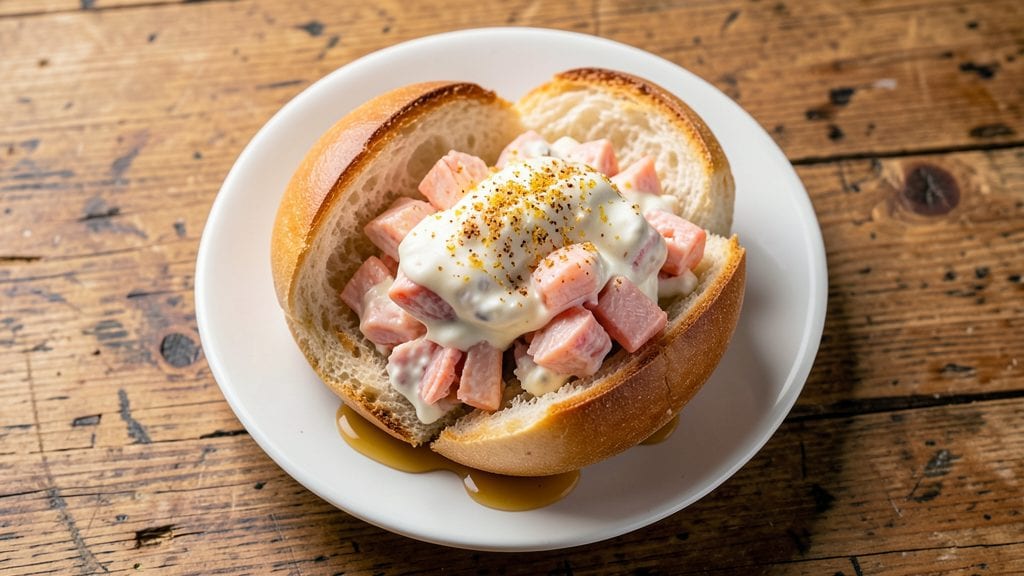
This traditional lobster roll recipe captures the essence of coastal New England—tender lobster meat nestled in a buttery, toasted bun with just the right balance of sweet and savory.
The secret lies in perfectly cooked lobster, a well-seasoned butter or mayo base, and a bun that's crisp on the outside while staying soft inside. I've spent years perfecting this dish, and it never fails to transport me back to summer afternoons by the Maine coast.
The foundation of an authentic lobster roll begins with the lobster itself—whether poached or boiled, it should be tender enough to flake easily with a fork.
The butter or mayo mixture is where the magic happens, with classic seasonings like Old Bay, lemon zest, and a touch of sweetness from a splash of milk or cream.
The bun, typically a slightly sweet, soft potato roll, gets toasted to golden perfection before being generously buttered to create that signature crispy exterior.
What makes this recipe truly special is the assembly—hot lobster piled high into the warm bun, often served with crisp corn on the cob, zesty lemon wedges, and cool coleslaw for contrast. The flavors are bright, the textures are perfect, and every bite delivers that unmistakable taste of the coast.
This isn’t just a sandwich; it’s a celebration of summer, tradition, and the simple joy of fresh, well-prepared seafood.
Whether you're preparing this for a backyard barbecue or a seaside picnic, the key is to keep it traditional while making it your own. The sides you choose—corn, coleslaw, or even a simple green salad—should complement rather than compete with the star of the show.
Let’s get started on creating a lobster roll that tastes like a day by the ocean.
Ingredients for traditional lobster roll
Four ingredients make the magic butter base, plus fresh lobster and a perfect bun.
| Ingredient | Amount | Notes |
|---|---|---|
| Live or Fresh Lobster Meat 🦞 | 1 ½ lb | Picked or chopped, cooked tender |
| Unsalted Butter 🧈 | ½ cup | Cold, cubed for spreading |
| Mayonnaise 🥫 | ¼ cup | Duck or avocado preferred |
| Old Bay Seasoning 🌶️ | 1 tbsp | Classic Maryland blend |
| Lemon Zest 🍋 | 1 tbsp | Freshly grated from 1 lemon |
| Heavy Cream 🥛 | 2 tbsp | For richness and binding |
| Potato Rolls 🍞 | 4 whole | Slightly sweet, soft buns |
| Fresh Chives 🌿 | 2 tbsp | Finely chopped, for garnish |
| Lemon Wedges 🍋 | 4 whole | For serving, fresh squeezed |
| Yellow Corn Kernels 🌽 | 1 ½ cups | Fresh or frozen, for sides |
| Coleslaw Mix 🥬 | 2 cups | Pre-shredded cabbage/carrot |
| Mayonnaise Dressing 🥫 | ¼ cup | For coleslaw, optional |
| Salt 🧂 | ½ tsp | Kosher or sea salt |
| Black Pepper 🌶️ | ¼ tsp | Freshly ground preferred |
The lobster is non-negotiable—live or fresh is best. Most seafood markets sell it pre-picked or chopped, but if you're buying whole, ask for the tail meat. Costco or Whole Foods usually have great options, but call ahead. The rolls? Look for slightly sweet potato buns—Potato Bread Company makes the best, but any soft, sweet roll works. The butter should be cold and cubed—Plugrá or Land O'Lakes are reliable. For the mayo, Duck & Co or Primal Kitchen add richness without overpowering.
No Old Bay? Mix 1 tsp paprika, 1/2 tsp celery salt, 1/4 tsp black pepper, and 1/4 tsp dried thyme. The lemon zest can be swapped for 1 tsp bottled zest if you're in a pinch, but fresh is always better. For the coleslaw, pre-shredded mix from the bagged salad section saves time—just add mayo and a pinch of sugar. The corn? Fresh or frozen works, but skip the canned kind—it's sad. If you're feeling fancy, add a splash of cream to the butter mix for extra richness (trust me on this).
The butter mixture keeps for 3 days in the fridge if stored in an airtight container. Lobster meat can be pre-cooked and stored for 2 days in the fridge, but it's best used fresh. Rolls stay fresh for 2 days if wrapped tightly. The coleslaw holds up for 4 days—make extra for other meals. Toast the buns just before serving to keep them crispy, and pile the lobster high—this isn't a diet sandwich!
Why You'll Love This Recipe
- Here’s what sold me: that creamy, tangy mayo base cuts through the richness of the lobster, while the butter keeps it luxurious. Add Old Bay’s zesty kick and lemon zest? It’s like summer in every bite—bright, rich, and just salty enough to make you crave another roll. (Yes, even on a Tuesday night.)
- Five-Ingredient Magic: I swear, this is the kind of recipe where you almost feel guilty for how simple it is. Fresh lobster meat, butter, mayo, Old Bay, and lemon—that’s it. No fancy techniques, no 10-step process. Just melt butter into the meat, fold in the mayo and seasoning, and you’re done. Honestly, I’ve made it while my coffee brewed.
- Butter-Mayo Bliss: Here’s what sold me: that creamy, tangy mayo base cuts through the richness of the lobster, while the butter keeps it luxurious. Add Old Bay’s zesty kick and lemon zest? It’s like summer in every bite—bright, rich, and just salty enough to make you crave another roll. (Yes, even on a Tuesday night.)
- Picnic to Party: This rolls like a dream at beachside lunches or backyard barbecues. The filling stays together in buttery toasted buns, so no messy plates—just easy handheld eating. Between us, I’ve served it at everything from casual potlucks to Fourth of July spreads, and no one ever questions why it’s on the menu.
Step-by-step instructions for traditional lobster roll recipe
Here's how to create that classic buttery, toasted lobster roll with sweet Maine flavor you've been craving.
Prepare the Lobster Filling
In a medium bowl, combine the 1.5 lb live or fresh lobster meat with the 0.25 cup mayonnaise, 2 tbsp heavy cream, 1 tbsp lemon zest, 1 tbsp Old Bay seasoning, 0.5 tsp salt, and 0.25 tsp black pepper. Gently fold everything together using a rubber spatula until the mixture is completely smooth and evenly distributed. The filling should look creamy and cohesive, with no visible chunks of lobster meat.
I like to press down gently on the mixture with the spatula to ensure all the seasonings penetrate evenly. This step is where the classic sweet and savory flavors come together. Let the mixture sit at room temperature for 10 minutes while you prepare the potato rolls—this allows the flavors to meld beautifully.
Toast the Potato Rolls
Preheat your oven to 375°F. Place the 4 whole potato rolls on a baking sheet and brush each one generously with the 0.5 cup unsalted butter, making sure to get into all the nooks and crannies. The butter should look glossy and evenly distributed.
Bake the rolls for 8-10 minutes until they're golden brown and crispy on the outside. You'll know they're perfectly toasted when they develop a rich, buttery aroma and the edges start to turn a deep golden color. Watch them closely in the last minute to prevent over-browning. Remove from the oven and let them cool for 2 minutes before assembling.
Assemble the Lobster Rolls
Carefully slice each toasted potato roll in half lengthwise, creating two open halves for each roll. Spoon about 3/8 of the lobster filling into each half, mounding it slightly in the center. The rolls should be generously filled but not overstuffed—you want to be able to close them easily without spilling.
Press the top halves back onto the bottom halves and gently press down to secure. The rolls should hold together well but still be easy to bite into. Place them seam-side down on a serving platter and garnish each roll with 0.5 tbsp of the finely chopped fresh chives. The chives add a fresh, bright contrast to the rich lobster filling.
Prepare the Sides
While the lobster rolls are cooling, prepare the sides. In a medium bowl, combine the 2 cups coleslaw mix with the 0.25 cup mayonnaise dressing. Toss gently until the dressing is evenly distributed and the mix is coated but still slightly crunchy. This classic coleslaw provides the perfect tangy contrast to the buttery lobster rolls.
In a separate small bowl, simply toss the 1.5 cups yellow corn kernels with a pinch of salt and a sprinkle of black pepper. The corn should look bright and fresh, ready to complement the rich flavors of the lobster and coleslaw. Arrange the lemon wedges on a small plate for serving—these will add a bright, citrusy note to each bite.
Serve Immediately
Serve the lobster rolls immediately while they're still warm and the potato rolls are crispy. The buttery aroma should be intoxicating, and each bite should deliver that perfect balance of sweet Maine lobster, creamy mayonnaise, and zesty lemon. The toasted potato rolls provide the ideal texture—crispy on the outside, soft on the inside.
Pair each lobster roll with a generous serving of the coleslaw and a small portion of the corn on the cob. The combination of sweet, savory, tangy, and fresh elements creates a truly traditional lobster roll experience. Don't forget to squeeze a lemon wedge over each roll just before serving for that final burst of brightness.
Pro Tips For Making Traditional Lobster Roll
- USE COLD BUTTER: If you’re melting butter for the lobster mix, let it cool slightly before adding it to the meat—just warm enough to coat, not hot enough to cook the lobster. I learned this the hard way when the butter turned the filling into a sad, greasy mess instead of a creamy, buttery dream.
- STEAM THE LOBSTER FIRST: If using live or fresh lobster, steam it whole for 10-12 minutes before cracking it open—this makes the meat flake apart effortlessly when you pull it. Sounds like extra work, but it guarantees tender, clean pieces that hold up better in the roll, and you won’t waste time picking out rubbery bits.
- DON’T OVERMIX THE FILLING: Once you toss the lobster with butter, mayo, and Old Bay, stop stirring the second everything’s evenly coated. Overworking it turns the filling dense and pasty—just give it a few gentle folds to distribute the seasoning. I used to mash it like I was kneading dough, and the texture suffered.
- GRATE THE LEMON ZEST FRESH: Store-bought zest is convenient, but freshly grated lemon zest adds a bright, aromatic punch that jarred zest can’t match. Use the fine side of a grater and only the outer yellow layer—no white pith, or it’ll taste bitter. (Yes, even if you’re impatient like me.)
Pro cooking tips for this dish
Lobster Cooking Perfection
Start with live or fresh lobster—never frozen, as it loses tenderness. Poach in salted water (1 gallon per lobster) with 1 tbsp baking soda for 10-12 minutes until shells turn bright red. Overcooking turns meat rubbery—test by gently squeezing the tail; it should flake easily with a fork.
I swear by Whole Foods' live lobster for the freshest catch, but any reputable seafood market will do. 🦞
Butter vs. Mayo Base
For the butter-based version, melt ½ cup unsalted butter with 1 tbsp lemon juice, 1 tsp Old Bay, and ½ tsp black pepper, then cool slightly before mixing.
For mayo-based, use ¼ cup mayonnaise (Duck & Co is my go-to) with 2 tbsp heavy cream for richness. The mayo version stays creamier, while butter adds a deeper, toasty flavor. Let the mixture sit for 10 minutes to meld flavors before assembling.
Bun Toasting Secrets
Use potato rolls—they’re slightly sweet and sturdy enough to hold the filling. Toast them in a 375°F oven for 8-10 minutes until golden and crisp. Brush with melted butter while warm for extra crispiness.
Pro tip: Toast just before serving—buns lose crispness fast. I like to slice them open with a serrated knife for clean cuts and even filling distribution. 🍞
Hot vs. Cold Debate
Traditional hot lobster rolls are served immediately after toasting, with lobster piled high into warm buns. Cold rolls (common in Connecticut) use chilled lobster and mayo on soft buns—no toasting. For hot rolls, assemble right after toasting; for cold, chill the filling for 30 minutes before serving.
I prefer hot for that buttery, toasted contrast, but cold rolls travel better for picnics.
Filling Consistency
Lobster meat should be flaked finely—no large chunks. Use a fork to break it down, then mix gently with the butter or mayo. Overmixing makes the filling dense. For extra creaminess, add 1 tbsp sour cream to the butter mix.
The filling should coat the back of a spoon smoothly—this ensures every bite is rich and cohesive. 💡
Garnish Like a Pro
Finish with fresh chives (½ tbsp per roll) and a lemon wedge on the side. The chives add a bright, oniony note, while lemon cuts through the richness.
For a restaurant-worthy touch, drizzle with extra-virgin olive oil and a pinch of flaky sea salt. Serve with coleslaw and grilled corn for the full coastal experience.
Nutrition facts
Frequently asked questions
What's the difference between a New England-style and Connecticut-style lobster roll?
New England-style rolls use hot lobster piled into a toasted potato bun with a butter-based seasoning. Connecticut-style rolls keep the lobster chilled, use mayonnaise instead of butter, and serve it on a soft, untoasted bun. The New England version is crispy and rich, while Connecticut rolls are lighter and better for picnics.
Can I make lobster rolls ahead of time?
For hot rolls, assemble just before serving to keep the buns crispy. For cold rolls, you can prep the filling and sides up to 2 days ahead—just store components separately. Re-toast buns before serving. The butter mixture can be made 3 days ahead and kept refrigerated in an airtight container.
What if I can't find potato rolls?
Use a soft, slightly sweet brioche bun or even a hoagie roll in a pinch. Avoid dense buns—they won't absorb the butter well. For extra authenticity, look for rolls labeled "potato bread" at specialty bakeries or online. If all else fails, a soft hamburger bun works, but it won't be as flavorful.
How do I know when lobster is perfectly cooked?
Lobster is done when the meat turns opaque white and the shells are bright red. For poached lobster, cook for 10-12 minutes in salted water with baking soda. Test by gently squeezing the tail—it should flake easily with a fork. Overcooked lobster becomes rubbery and loses flavor.
Can I substitute Old Bay seasoning?
Yes! Mix 1 tsp paprika, ½ tsp celery salt, ¼ tsp black pepper, and ¼ tsp dried thyme for a similar flavor. For extra depth, add a pinch of cayenne. If you're near the coast, some seafood markets sell local seasoning blends that work perfectly. The key is balancing sweet, savory, and spicy notes.