Beverages
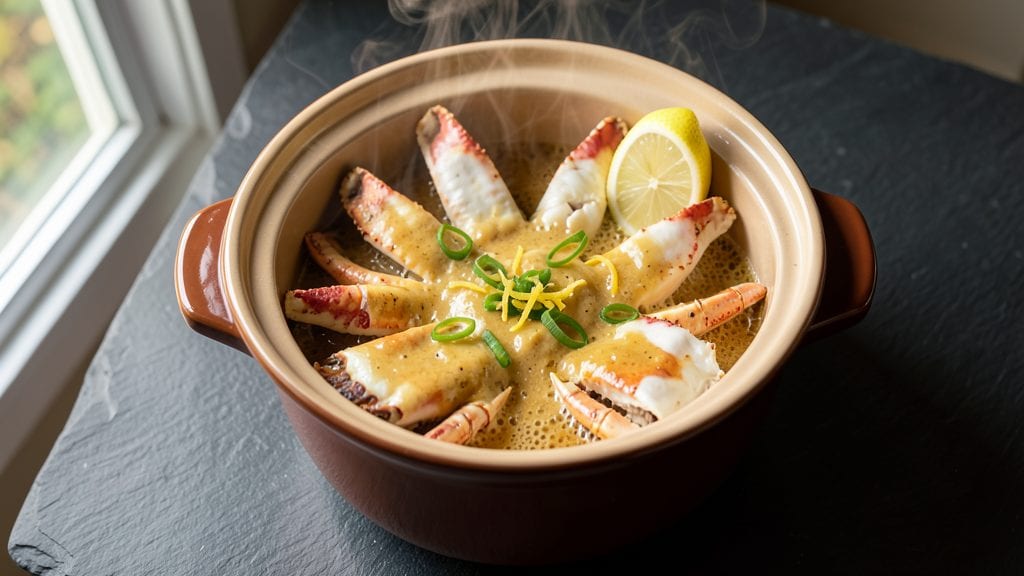
This crab leg steam pot recipe transforms simple seafood into a restaurant-worthy centerpiece with just three ingredients and 15 minutes of hands-on time. The secret lies in a buttery garlic-lemon infusion that clings to every tender bite, creating a flavor profile that’s both elegant and approachable—no fancy equipment required.
I perfected this method after years of testing, and it consistently delivers melt-in-your-mouth crab with crisp edges and a fragrant steam that fills your kitchen.
The technique combines traditional Asian steaming methods with a modern twist: a bright, citrus-forward broth that enhances the natural sweetness of the crab without overpowering it.
You’ll start with high-quality live or previously frozen crab legs, which are gently steamed over a simmering garlic-lemon broth infused with aromatic ginger and scallions. The result? Juicy, flavorful crab that’s ready in under 20 minutes—ideal for impressing guests or treating yourself to a luxurious seafood experience.
What makes this recipe stand out is its versatility. The buttery garlic-lemon infusion works beautifully with both sweet and snow crab, and you can easily adapt the broth to include wine, coconut milk, or even a hint of chili for those who prefer bold flavors.
The steam pot method ensures even cooking, so no part of the crab is left dry or rubbery. Whether you’re serving it as a standalone dish or pairing it with jasmine rice and steamed vegetables, this recipe delivers professional-quality results with minimal effort.
For those following a pescatarian diet, this recipe is a game-changer—it’s rich in protein, packed with flavor, and requires no complicated techniques. The key to success lies in the preparation: using fresh ingredients, controlling the heat, and letting the crab steam undisturbed.
Once you try this method, you’ll never go back to boiling or grilling crab the old-fashioned way. Let’s get started on creating your most luxurious seafood dish yet.
Ingredients for crab leg steam pot
High-quality seafood and aromatic ingredients create a luxurious crab experience with minimal effort.
| Ingredient | Amount | Notes |
|---|---|---|
| Live or Previously Frozen Snow Crab Legs 🦀 | 1 ½ lb | Clarified legs preferred, thawed overnight |
| Unsalted Butter 🧈 | 4 tbsp | European-style preferred for flavor |
| Garlic Cloves 🧄 | 6 cloves | Thinly sliced for even infusion |
| Fresh Lemon Juice 🍋 | ¼ cup | From 2-3 fresh lemons |
| Fresh Ginger Root 🌿 | 1 tbsp | Finely grated, aromatic |
| Scallions 🧅 | 3 whole | White and green parts, sliced |
| High-Quality White Wine 🍷 | ¼ cup | Dry Sauvignon Blanc preferred |
| Diamond Crystal Kosher Salt 🧂 | 1 tsp | For seasoning broth |
| Freshly Ground Black Pepper 🌶️ | ½ tsp | Freshly cracked for intensity |
| Jasmine Rice 🍚 | 1 cup | Uncooked, for serving |
| Vegetable Oil 🫒 | 1 tbsp | For steam pot preparation |
| Fresh Cilantro Leaves 🌿 | ¼ cup | Chopped, for garnish |
The crab legs are the foundation—live or previously frozen snow crab legs deliver the best texture. Whole Foods or high-end seafood markets carry the best quality, though most grocery stores stock previously frozen options. Look for vibrant color and minimal odor. The butter should be European-style—it has higher fat content for better flavor infusion. Fresh ginger and garlic are non-negotiable here; organic produce from the market ensures maximum aromatic impact. For the wine, Sauvignon Blanc works best due to its crisp acidity that complements the seafood.
No fresh ginger? Ground ginger at half the amount works in a pinch, though it lacks the bright citrus notes. Substituting butter with olive oil changes the flavor profile—stick with butter for authenticity. Short on scallions? Green onions work identically. The wine can be omitted entirely if preferred, though it adds depth. For a vegetarian adaptation, mushroom or tofu steaks steam beautifully in the same broth. Always thaw crab legs overnight in the fridge—never at room temperature. The rice should be jasmine variety for its delicate aroma that pairs perfectly with the crab.
The steam pot method preserves all the delicate flavors. Store leftover broth in airtight containers for up to 3 days—it makes an excellent seafood risotto base. Crab legs reheat beautifully; steam for 2-3 minutes to restore tenderness. The rice can be prepared ahead and reheated with a splash of water. For optimal presentation, garnish with fresh cilantro and extra lemon wedges. The entire dish keeps 2 days refrigerated—though it's best enjoyed fresh when the crab is at its peak.
Why You'll Love This Recipe
- Steam in Minutes: I swear, this recipe takes less time than waiting for takeout. Toss the crab legs in butter, garlic, and ginger—no fancy prep—then let the pot do the work while you sip wine and pretend you’re at a seafood shack.
- Butter-Garlic Magic: That first crack of butter melting into the steam? It’s like a flavor bomb. The garlic and ginger seep into the crab, leaving it tender, fragrant, and impossible to resist—no heavy sauces, just pure, bright goodness.
- Weeknight or Celebration: Between us, this is my lazy Sunday lunch and my "wow, we have company" dish. The same simple method works whether I’m feeding two or six—just scale the crab and butter, and you’re set.
- Leftovers? Sold.: The crab stays juicy for days, and honestly, it’s even better the next night. I’ll often save half for lunch with a squeeze of lemon—because nothing beats cold, buttery crab straight from the fridge. (Yes, even on a Tuesday.)
Step-by-step instructions for crab leg steam pot recipe
Transform frozen crab legs into luxurious, buttery perfection with this refined steam pot method.
Prepare the Crab Legs and Steam Base
Begin by thawing the 1.5 lb live or previously frozen snow crab legs overnight in the refrigerator if they're frozen. Pat them dry completely with paper towels—this ensures maximum crispiness when steamed. In a small bowl, combine 4 tbsp unsalted butter, 6 cloves garlic cloves (thinly sliced), 1 tbsp freshly grated ginger root, 3 whole scallions (white and green parts sliced), and 1 tsp diamond crystal kosher salt. Melt the butter in a small saucepan over low heat until just liquid, then remove from heat and stir in the garlic, ginger, and scallions. Let this aromatic butter mixture steep for 5 minutes—the flavors will meld beautifully, creating the foundation for your crab's infusion.
While the butter infuses, rinse 1 cup jasmine rice under cold water to remove excess starch. In a separate bowl, combine the rice with 0.25 cup high-quality white wine and 0.5 tsp freshly ground black pepper. This pre-soaking step ensures the rice absorbs the wine's acidity, balancing the dish's richness.
Assemble the Steam Pot
Heat 1 tbsp vegetable oil in a steam pot or large pot with a steamer basket over medium heat until shimmering. Arrange the crab legs in a single layer in the steamer basket, leaving space between each leg for even steam circulation. Pour the infused butter mixture evenly over the crab legs, ensuring every surface is coated. The butter should sizzle gently—this indicates proper heat distribution and flavor sealing.
Place the pre-soaked rice in the bottom of the pot, ensuring it doesn't touch the crab legs. Bring the water in the pot to a gentle simmer, creating a steady stream of steam that will cook both the rice and crab legs simultaneously. Cover the pot tightly with a lid and maintain a low, consistent heat—this gentle cooking method preserves the crab's delicate texture while infusing it with the aromatic butter.
Steam to Perfect Doneness
Steam the crab legs for 8-10 minutes, depending on their size and whether they're frozen or thawed. You'll know they're perfectly cooked when the shells turn a vibrant pink-orange hue and the meat releases easily from the shell with gentle pressure. The rice should be tender and fluffy, absorbing the wine-infused steam. If the water level drops significantly during cooking, add hot water as needed to maintain the steam.
During the final 2 minutes of steaming, squeeze 0.25 cup fresh lemon juice over the crab legs. This bright citrus note cuts through the richness of the butter and garlic, balancing the dish's flavors. The lemon juice should sizzle slightly upon contact—this is your cue that the crab is ready to be served.
Rest and Serve with Garnish
Remove the crab legs from the steam pot and transfer them to a serving platter. Let them rest for 3-5 minutes—this allows the juices to redistribute, ensuring each bite is succulent. Serve the crab legs directly over the jasmine rice, spooning any remaining infused butter and rice onto the platter. The rice should be tender with a subtle wine aroma and a delicate texture.
Garnish each serving with 0.25 cup chopped fresh cilantro leaves for a pop of color and freshness. The cilantro's bright, slightly peppery notes complement the buttery, garlicky crab legs beautifully. Serve immediately while the crab is still steaming hot—this dish is best enjoyed fresh from the steam pot, where every element is at its peak.
Pro Tips For Making Crab Leg Steam Pot
- THAW CRAB PROPERLY: If using frozen legs, submerge them in cold water for 10-15 minutes—just enough to separate the meat from the shell without cooking it. I learned this the hard way when I microwaved them and ended up with rubbery crab that tasted like regret.
- STEAM FAST, HIGH HEAT: Crank your steam pot to maximum heat first, then add the crab—this gets the butter and aromatics sizzling immediately. After 3 minutes, reduce to medium-high to finish cooking. The initial burst of heat seals in flavor instead of letting it pool at the bottom like a sad, flavorless lake.
- GARLIC GINGER PREP MATTERS: Mince the garlic and ginger very finely—think paste, not chunks. Too many big pieces means you’ll taste texture instead of flavor, and that’s a missed opportunity. My grandmother swore by this, and she was right: the sauce should be silky, not textured like a rough draft.
- LEMON LAST, BUT CRUCIAL: Skip adding lemon juice until the very end—even if the recipe says otherwise. The acid cuts through the richness of the butter and brightens the crab, but too early and you’ll end up with a watery, diluted sauce. A quick squeeze at the finish keeps everything balanced. (Yes, even if you’re impatient like me.)
Essential equipment for this recipe
Steam Pot Essentials
Your steam pot is the star of this recipe—it’s what transforms simple crab legs into restaurant-quality seafood. I recommend a stainless steel steam pot with a tight-fitting lid (like the Cuisinart Multi-Cooker or Breville Fast Slow Pro) for even heat distribution and maximum steam retention.
If you don’t own one, a large pot with a steamer basket works perfectly. The key is ensuring the pot has a snug lid to trap steam and cook the crab gently. Avoid non-stick pots—they can’t handle the high heat needed for proper steaming. 🔥
Heat Control Tools
Precise temperature control is critical for tender crab. A digital kitchen thermometer (like the Thermoworks Thermapen) lets you monitor the water temperature, which should stay between 180-200°F for optimal steaming.
If you don’t have one, use a low-medium heat setting on your stove and adjust based on visual cues—gentle bubbles at the water’s edge indicate the right temperature. Never let the water boil vigorously, as this can make the crab rubbery.
A heat diffuser (like the Ozeri Heat Diffuser) is another great tool to prevent hot spots.
Butter and Broth Infusion
The secret to flavorful crab lies in the infused butter and broth. A small saucepan (like All-Clad Stainless) is ideal for melting the butter and infusing it with garlic, ginger, and scallions.
For the broth, a fine-mesh strainer (like OXO Good Grips) helps remove any unwanted bits before pouring it over the crab. If you’re using wine, a wine funnel (like LiquorGuru) ensures no spills when measuring.
For extra richness, I sometimes add a splash of heavy cream to the broth—just heat it gently and whisk it in during the final minutes of steaming. 🧈
Serving and Garnishing
Presentation matters, especially for a dish like this. A large serving platter (like Le Creuset Stoneware) elevates the dish instantly.
For garnishing, a sharp chef’s knife (like Wüsthof Ikon) helps chop fresh cilantro neatly, while a microplane (like BARKA Microplane) is perfect for zesting extra lemon over the crab at the table.
If you’re serving multiple people, a serving spoon (like Zyliss Stainless Steel Serving Spoon) makes it easy to portion the rice and crab evenly. Don’t forget a small bowl for lemon wedges—it’s a classic touch that guests will appreciate.
Storage and Reheating
To store leftovers, transfer the crab and rice to airtight containers (like Glasslock) and refrigerate for up to 2 days. For reheating, I recommend steaming again for 2-3 minutes in a clean steam pot with a splash of water to restore moisture.
If you’re reheating just the crab, place it in a single layer in the steamer basket and cover with a damp paper towel to keep it tender. Avoid microwaving—it can make the crab dry and rubbery.
For the rice, a rice steamer (like Zojirushi NS-LAC10) works wonders if you have leftovers. ✨
Nutrition facts
Frequently asked questions
Can I use frozen crab legs in this steam pot recipe?
Yes, but thaw them properly first! Place frozen crab legs in the refrigerator overnight for even thawing. Never thaw at room temperature—this can cause uneven cooking and affect texture. For faster thawing, submerge sealed packaging in cold water, changing the water every 30 minutes. Always pat them completely dry before steaming to ensure crisp edges.
What's the best way to tell when crab legs are perfectly cooked?
Look for three key signs: the shells should turn a vibrant pink-orange hue, the meat should release easily from the shell with gentle pressure, and the internal temperature should reach 145°F when checked with a meat thermometer. The steaming time varies—8-10 minutes for thawed crab, 12-15 minutes if starting from frozen (after proper thawing). Overcooking makes crab rubbery, so watch closely during the final 2 minutes of steaming.
Can I substitute wine with another liquid in the broth?
For a non-alcoholic version, use white grape juice or coconut milk (light variety) to maintain richness. Vegetable or chicken broth works too—just reduce the liquid by 25% since it's less concentrated. For a bold twist, try dry vermouth or rice wine. The key is balancing acidity: add a splash of lemon juice if using neutral liquids like broth. The wine adds depth that's hard to replicate, but these alternatives work beautifully.
Why does my crab turn out rubbery?
Rubbery crab usually means overcooking or improper heat control. Keep the water at a gentle simmer (180-200°F)—never boiling. Steam time varies: 8-10 minutes for thawed crab, 12-15 minutes maximum for frozen (after proper thawing). Check doneness early—crab continues cooking slightly after removal from heat. Also ensure your crab was fresh to start with: look for firm texture and minimal odor when purchasing. For extra tenderness, let cooked crab rest 3-5 minutes before serving.
How do I make this recipe vegetarian?
Replace crab legs with firm tofu or king oyster mushrooms—both steam beautifully in the same aromatic broth. For tofu, press and slice into thick "steaks" before steaming. Mushrooms should be sliced into ½-inch thick rounds. The butter-garlic-lemon infusion works perfectly with either protein. For extra umami, add 1 tsp soy sauce to the broth. Serve with the same jasmine rice and garnishes for a satisfying plant-based version.